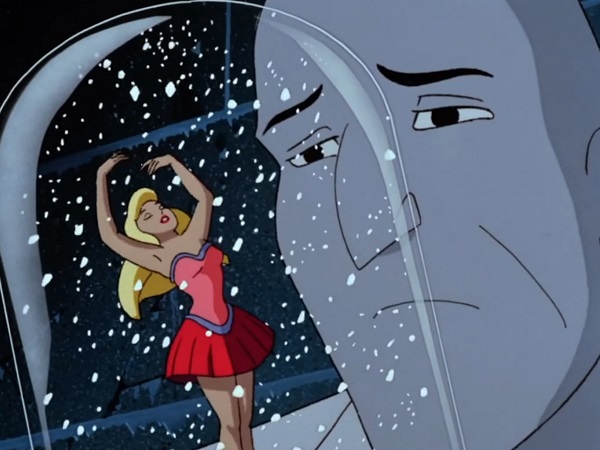
When you think about comic book characters and superheroes, what do you think of? Good triumphing over evil? The hero always defeating the villain?
That’s sort of how it works, right? The good guys win, the bad guys lose, and things improve moving forward.
Maybe so, but that isn’t always the case. And it certainly isn’t in Batman: The Animated Series.
The critically acclaimed cartoon show, which debuted in 1992, likes to buck trends. As such, more often than not, the show is about losing, rather than winning.
—
Bittersweet situations and hollow victories
One of the ways in which Batman: The Animated Series pivots to losses over wins is via bittersweet situations and hollow victories. Scenarios that deliver a seemingly positive outcome, but at a cost which taints the win.
In the episode Harley’s Holiday, Harley Quinn is declared sane and released from Arkham Asylum. However, an innocent mistake over a security tag turns Harley’s first day of freedom into a complete disaster, resulting in an escalating scenario which ultimately sees her back inside.
Freedom is her reward for good, rational behaviour, but when Harley is on the outside, she can’t maintain her mental stability. She returns to Arkham in the knowledge this could happen again in the future, making it seem less likely she’ll ever really reform.
Then there’s the episode, If You’re So Smart, Why Aren’t You Rich?, which sees Batman and Robin save video game publisher, Daniel Mockridge from the clutches of the Riddler. Problem is, while Mockridge appears to be safe, and benefits from a $10 million deal by episode’s end, he is forever changed by his encounter with the Riddler, resulting in him becoming a basket case and a recluse.
Mockridge wanted money and success, and had no problem screwing Edward Nygma over to get it. But on the flipside, he inadvertently created the Riddler, and ends up losing his peace of mind, causing Bruce Wayne to utter the line: “Mockridge may have his money, but he won’t be sleeping well. How much is a good night’s sleep worth? Now there’s a riddle for ya.”
Other bittersweet moments or hollow victories can be seen in Second Chance, where Harvey Dent could finally be cured of his split personality affliction, but his alter-ego, Two-Face stops this from happening; or in House and Garden, where Poison Ivy could have the perfect life, but she simply can’t resist criminal activity and sabotages her own happiness. And then there is Feat of Clay, where Matt Hagen wants to become the world’s greatest actor, but he loses his humanity once he is granted the ability to transform into whoever he wishes.
—
Emotional losses
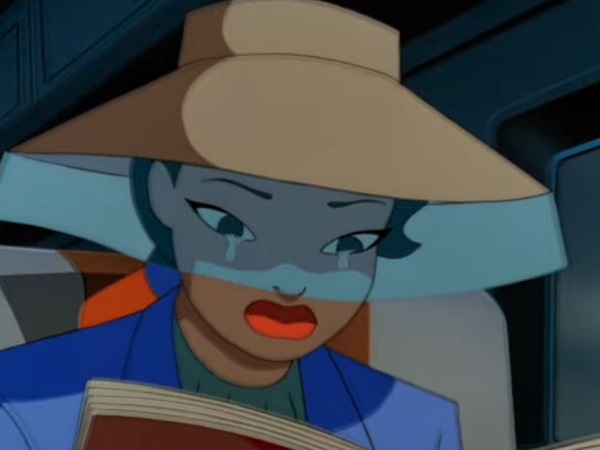
Another way in which Batman: The Animated Series seems to favour losses comes from the show’s fascination with heartbreak. The aforementioned House and Garden sees Poison Ivy lose the family she desperately craves; while in Heart of Ice, Mr. Freeze’s plan to avenge his wife’s supposed death leaves him trapped in an endless cycle of grief.
In Robin’s Reckoning, Dick Grayson confronts Tony Zucco, the man responsible for his parent’s death, but he can’t undo what’s happened. And then there’s Baby-Doll, an episode in which child actor, Mary Dahl can’t escape the medical condition which makes her appear child-like.
Other emotional losses come via Mad Love, in which Dr. Harleen Quinzel loses her sanity and her promising career to the machinations of the Joker; in Birds of a Feather, when the Penguin loses his chance to become a member of high society over a cruel trick; and in Mean Seasons when Calendar Girl loses her mind after catching sight of her reflection, which she believes is flawed and hideous.
—
Unresolved trauma
From emotional losses to unresolved trauma, which comes in various forms in Batman: The Animated Series, from Harvey Dent’s transformation in Two-Face which is never undone, to Grant Walker’s watery descent in Deep Freeze where he’s trapped in ice and left in the ocean, there’s plenty of unresolved trauma to go around. But of course, the greatest unresolved trauma comes via Batman, aka Bruce Wayne.
Bruce’s entire journey is one of unresolved trauma. He becomes Batman to stand against the forces of evil, and stop bad things from happening to good people (so not to repeat what happened to his parents), but no matter what he does his trauma never seems to change.
At no point does Bruce appear healed on the show. If anything, the longer he remains Batman the more he seems stuck in the role.
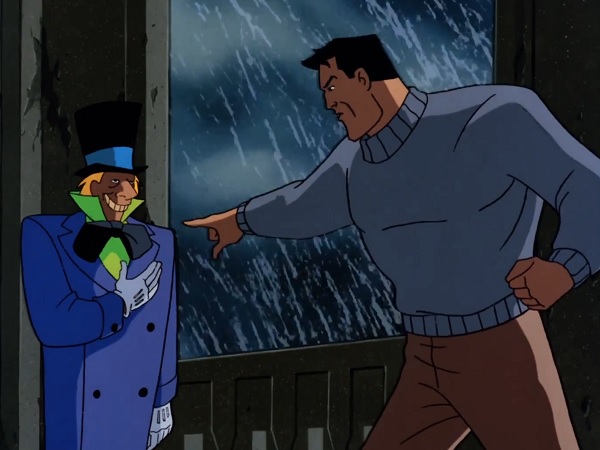
The closest Bruce comes to letting go of his trauma is in Perchance to Dream, when the Mad Hatter creates a faux reality in which Bruce’s parents, Thomas and Martha Wayne, are still alive. In this world, Bruce is no longer Batman and someone else is taking on the burden.
However, Bruce ultimately rejects this scenario and returns to his duties as the Caped Crusader. The status quo is restored, and the trauma continues.
—
Restoring order rather than improving lives
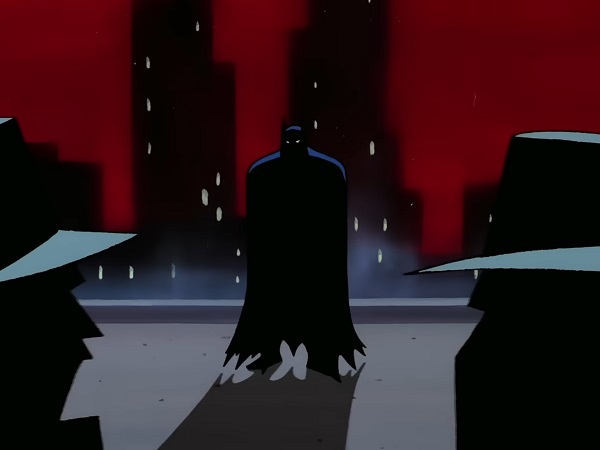
And finally, Batman: The Animated Series is often more interested in emotional consequences than clear-cut victories. Stories regularly focus on Batman restoring order rather improving lives.
Yes, there are times when Batman actively changes situations, such as in On Leather Wings when he manages to undo Kirk Langstrom’s transformation into Man-Bat, but there are many times when he simply brings crime to a halt and that’s it. Villains are captured and sent back to Arkham, which if anything is a false win.
Arkham becomes a revolving door, where criminals go in one side and come out the other. The Joker never really pays for his crimes, he’s just tossed in the slammer for a bit before he’s out and up to his old tricks again.
Other villains, such as Two-Face and Clayface are never cured. Sure, Batman offers to help Matt Hagen, but there’s never the sense he’s putting any major effort into it and it’s all just lip service.
Batman: The Animated Series keeps its heroes and villains in a perpetual state which doesn’t want to change too much in either direction. The result is a show which sees occasional wins, but is far more interested in operating in an area where losses keep things ticking along.
—
__
Thank you for stopping by It’s A Stampede! to read this post about Batman: The Animated Series. For more posts be sure to check out the recommended reads below.
 It's A Stampede!
Leave a comment