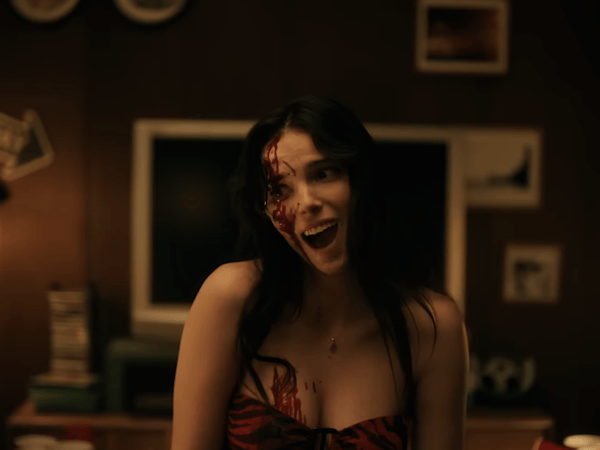
Gen Z (1997 – 2012) has developed a connection with horror in a very different way to previous generations. From the glory days of DVD, through to viral videos and the development of streaming, this generation of horror hounds has had unlimited access to scary stories and twisted tales.
They have grown up alongside gruesome video games, and they have spent hours in their bedroom watching countless YouTube creators wax lyrical about their favourite films. They’ve witnessed franchises such as Scream and Final Destination come back from the dead, and they’ve invested time in low budget films such as Obsession and Backrooms, which Hollywood were largely ignoring.
Gen Z has also championed franchises like Five Nights at Freddy’s, which critics dismissed. And when no one else would give it the time of day, they breathed new life into Jennifer’s Body and turned it into a cult hit.
This generation has done things differently to the generation before. They’ve had different experiences, different viewpoints, and a different world to exist in, and this has impacted the horror stories Gen Z has watched, as well as the horror stories they are now drawn to.
So what movies actually matter if you want to understand the horror landscape Gen Z has inherited and has subsequently forged? Well, a good starting point world be to look at horror from the late ‘90s and ‘00s.
The 1990s and 2000s
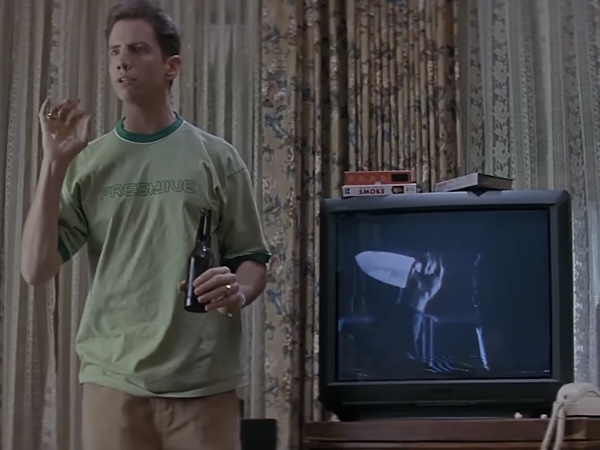
Gen Z may have only just started their journey during the tail-end of the ‘90s, but films from this era would become key for shaping the genre they would engage with in later life. Horror films that were hits in the 1990s paved the way for the movies that would follow in the ‘00s and beyond, which Gen Z would become exposed to.
Films such as Scream (1996) or The Blair Witch Project (1999) became huge turning points in the genre, and therefore became significantly influential on many pictures which followed. In the case of the former, Scream was an essential starting point for modern self-aware slashers, while in the case of the latter, The Blair Witch Project pioneered the use of internet marketing and “found footage” on a significant scale, which Gen Z carried forward as they became the key drivers of the internet age.
Movies from the 2000s would also become important for Gen Z. These films may have been too ‘adult’ for the generation first time around, but they were some of the first horror movies that Gen Z went back to once they came of age.
Final Destination (2000) and its sequels offered imaginative spectacle and youth appeal, while The Ring (2002) provided Gen Z with a great introduction to early-00s supernatural horror and tapped into Japanese storytelling which had become a big thing for those raised on anime. Meanwhile, while no one was looking, Gen Z latched onto to Jennifer’s Body (2009), reassessed the story and humour, found it to be a much more enjoyable romp than they had been led to believe, and told the generations that came before they needed to take a second look.
The 2010s
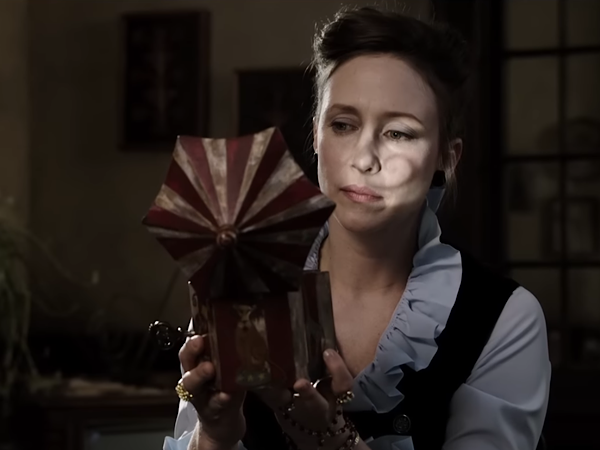
Into the 2010s, and while Gen Z was entering the teenage years (and making way for Gen Alpha), The Cabin in the Woods (2011) popped up as an effective bridge between traditional horror stories which Gen Z had previously missed out on, and the self-aware horror tales they were now becoming aware of. Then came The Conjuring (2013), the first entry in a new franchise which Gen Z could actively get behind from the beginning.
Gen Z might have had access to old horror franchises if they wanted them, but there is nothing quite like a new series to get excited about. The Conjuring became their franchise, in the same way Friday the 13th or A Nightmare on Elm Street had been the franchise for Generation X or Millennials.
From here, It (2017) became a phenomenon amongst Gen Z, while Get Out (2017) explored social issues that Gen Z were discussing online. Meanwhile, Hereditary (2018) provided a gateway into contemporary psychological horror, while A Quiet Place (2018) showed how a simple concept could be developed into genuine terror, and Midsommar (2019) became the defining example of so-called ‘elevated horror’.
The 2020s
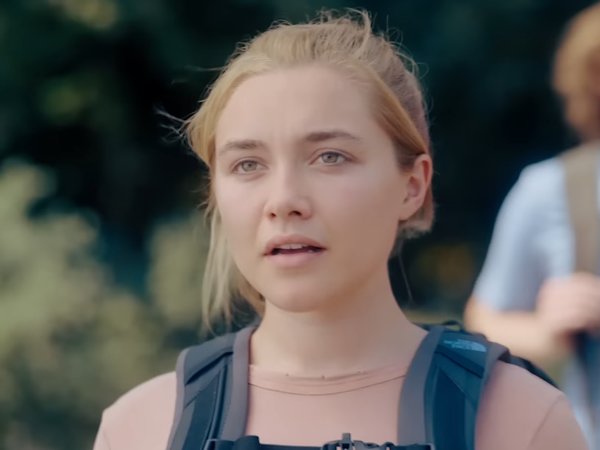
Into the 2020s, and with Gen Z getting older and becoming a key demographic for streaming and ticket sales, this generation is now driving the genre forward. Kids born in the late ‘90s are now in their late 20s (soon to be 30s), and they are the horror fans who are turning up at the cinema to make an impact at the box-office, or who are pushing up the numbers on streaming.
They did it with Aussie horror, Talk to Me (2022), as well as Zach Cregger’s Barbarian (2022), and they did it again with Ti West’s X (2022) and Pearl (2022). Gen Z also showed up for Smile (2022), transforming it into a mainstream hit, and they turned M3GAN (2022) into a viral sensation thanks to a dance routine being replicated on TikTok.
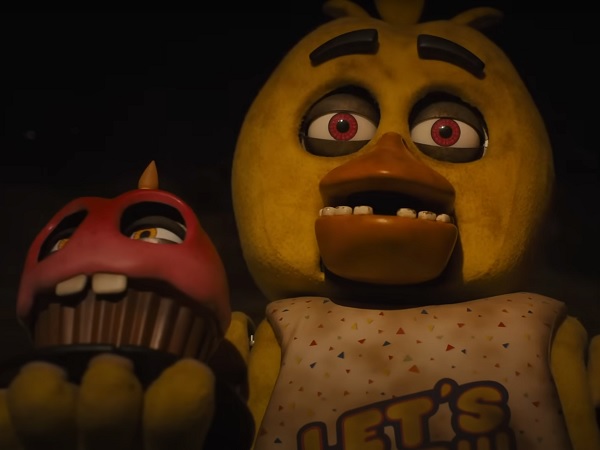
And then there is Five Nights at Freddy’s (2023) – a horror movie which the majority of critics did not enjoy, but Gen Z welcomed with open arms. The success of the movie came down to the relationship between gaming, the FNaF fandom, and an interest in modern horror.
The picture could have easily flopped on the big screen. Instead it took a large chunk of change at the box office.
Other recent movies which Gen Z has taken under its wings include Longlegs (2024), Obsession(2026), and Backrooms (2026). All of these horror movies have struck a significant chord with Gen Z, all have been fuelled by positive word of mouth (particularly online), and all have forged their own path away from mainstream studio-led horror, steering the course of the genre for the next generation and beyond.
Gen Z may not have been able to watch the likes of Scream and The Blair Witch Project when they first hit the big screen, nor were they watching Jennifer’s Body when it debuted, but they went back and watched these movies growing up. They then moved forward with the likes of The Conjuring and A Quiet Place, before finding their own way forward with Smile or Longlegs.
All of these movies have been a part of the Gen Z experience. As have other horror movies they’ve rediscovered such as Candyman (1992), The Craft (1996), I Know What You Did Last Summer (1997), House of Wax (2005), and even Halloween (1978).
These films were never part of Gen Z’s childhood, but this generation has ‘discovered’ them through streaming, through social media, and through memes. They’ve kept them alive and made them part of the conversation as the horror genre has evolved.
As time ticks on, it’ll be Gen Alpha who takes things forward. Their experiences now, and the movies that existed around the time they were born will shape what comes next.
But for now, Gen Z is making and breaking horror. And the aforementioned movies are part of their journey.
—
—
Thank you for stopping by It’s A Stampede! to read this post. For more posts be sure to check out the recommended reads below.
 It's A Stampede!
Leave a comment