I like movies. If you’re a regular reader of this blog, you’ll already know this.
I also review a lot of movies. I have done this in a professional capacity for a number of years.
Some of the reviews highlight the best movies on release, some discuss the worst movies, and many talk about the movies which exist somewhere in between. The point of my reviews is to a.) make film fans aware of what movies are currently doing the rounds, and b.) offer up recommendations.
Once a review is compiled, it goes up on my blog, it’ll get put on social media, and it’s left for people to read. Readers can then make up their own mind about whether or not they want to see the film.
My reviews are my opinions, they are my honest thoughts, and nothing more. If I like a movie, I say so, and if I don’t, then I make this clear as well.
What I don’t do, is go out of my way to continually dump on a film. If I review a bad movie, my opinion is there in the review, where it remains, and then I move on.
I don’t keep writing post after post about bad movies. I also don’t track the box-office receipts of movies which are deemed poor or flops.
Now, I mention all this, because recently there seems to be a significant trend amongst entertainment sites and YouTubers of obsessing over bad reviews or the underwhelming box-office performance of certain blockbusters. Yes, I understand that entertainment sites and YouTubers report on news, and poor reviews or the box-office returns of a big budget film are classed as newsworthy, but it is beginning to look like many people are simply sticking the boot in for online engagement.

When Masters of the Universe was released at the beginning of the summer, mixed reviews flooded the internet, the box-office didn’t take off as hoped, and countless sites and commentators began tearing the film down. As such, this appeared to have a knock-on effect, convincing audiences that Masters of the Universe was a dud, and people didn’t go and see it.
When the movie later turned up on streaming, it became a super-smash hit for Prime Video. The audience response was very positive, and most of the online comments that followed were filled with confusion, asking why did the film receive so much hate?
A similar pile-on happened with The Mandalorian and Grogu when it debuted in the summer, and the same again with Supergirl. However, once again, when these films hit streaming a few weeks later they were met with a far better reaction.
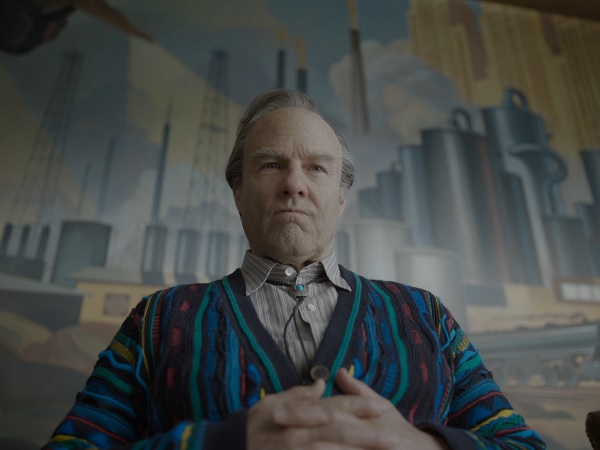
And then there was the Tom Cruise comedy-drama, Digger. Cruise did a huge publicity tour ahead of the film’s release, things looked very encouraging, then poor reviews came out, audiences swerved the film at the cinema, and various entertainment sites and YouTubers had a field day knocking the film at every opportunity.
All this negativity killed Digger on the big screen. The sheer weight of the pile-on was just unmanageable.

Of course, it could be argued Digger just wasn’t something audiences cared for. That could be a fair assessment and maybe audiences didn’t.
But it doesn’t change the fact Digger was dumped on time and time again. The constant negative social media posts about the film was just ridiculous, as was the bizarre fascination with tracking it’s lacklustre box-office income, or adding the word ‘flop’ to every article.
And all of this is becoming a big problem. News sites and YouTubers have a lot of influence, as does social media, and the combination is killing movies before they’ve had a chance to attract an audience.
And if enough films tank at the box-office, it’s going to have huge ramifications for the future of cinema and film entertainment. A movie doing well on streaming, after it has flopped at the cinema, doesn’t suddenly balance things out.
Movies make big bucks at the cinema, they don’t on streaming. So if a film fails at the box-office, it’s less likely to get a sequel, or in the case of something like Digger, we are less likely to see more creative pictures moving forward.
Streaming services are already filled with dull, middle-of-the-road films which get watched once and are instantly forgotten about. Unfortunately, if things continue down the same path with all the negative sh*t posting, we are more likely to see more movies like this than we are likely to see great films.
Negativity is big business. Social media thrives on engagement, and the more negative a post is, the more likely it is to attract hundreds of comments.
This in turn does well for the author, who then feels compelled to write another negative post, and then another, and so on. All the time, this then fuels the problem and convinces audiences to turn away from films.
It would seem like there are some content creators who are utilising negativity for clicks and revenue at the expense of decent films. I’m not singling anyone out, but if you see the same news site or the same YouTuber publishing half-a-dozen negative stories over the course of a couple of weeks, and those stories really appear to be dumping on a movie, then you’ll quickly see who they are.
My advice is to be cautious – don’t click or comment on posts like these, and simply scroll on. All this negativity is really taking its toll.
And as someone who reviews movies each week, it’s making me consider stepping back from film criticism. It seems like being critical right now is more about dumping on films for engagement than it is about anything else.
If I publish a review and say a film is bad, then that’s all that needs to be said. I’ve said it once, that’s it – move on.
There really is no need to write 30 posts dumping on a film or analysing every cent of the film’s lacklustre box-office. If you’re doing this, you’re part of the problem, and you’re the reason we will all end up with a sea of crap films that no one cares about.
__
__
Thank you for stopping by It’s A Stampede! to read this post. For more posts be sure to check out the recommended reads below.


Leave a Reply