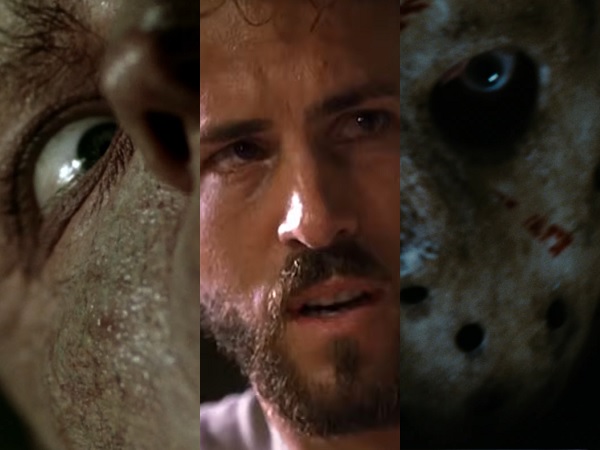
In 1996, mystery horror movie, Scream wowed audiences around the world. The slasher, written by Kevin Williamson and directed by Wes Craven, centred its story around a masked killer with an extensive knowledge of horror movies and was an instant hit with audiences.
But more than just a financial success, Scream also became a significant entry in the horror genre. Prior to the film’s arrival, horror had been going through a few creative lulls and was not at the top of its game.
Scream rejuvenated things. It also brought renewed interest in the scary films, attracting newcomers and lapsed fans aplenty.
As a result of Scream‘s popularity a number of things happened. First and foremost, it kick-started a series of Scream sequels which are still running today.
Scream was also responsible for inspiring the spoof horror franchise, Scary Movie. This is another series of films which are still chugging along and making money in the process.
In addition to the above, when Scream debuted in 1996 to rave reviews, it reignited interest in the slasher subgenre. As such, a number of similarly themed movies followed in the late ’90s and early ’00s, including I Know What You Did Last Summer (1997), Halloween H20 (1998), Urban Legend (1998), The Clown at Midnight (1999), and Cherry Falls (1999), amongst others.
But moving beyond all of this, Scream and its early sequels, Scream 2 (1997) and Scream 3 (2000), were also responsible for a heck of a lot of horror remakes in the 2000s. At various points during the course of the Scream films, characters made reference to iconic horror franchises of the past, and this gave movie studios an idea.
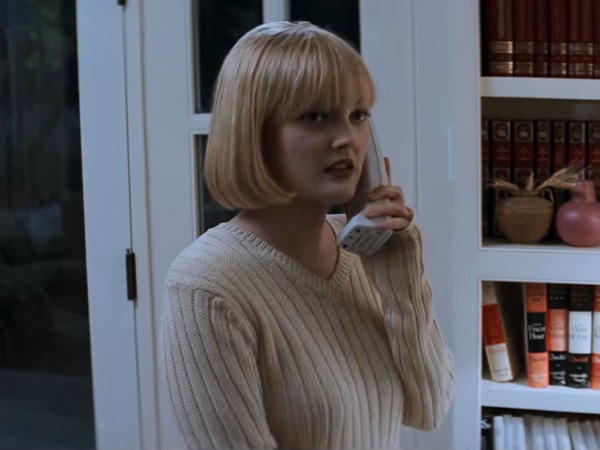
There was a whole new generation of fans out there who had come to the genre because of Scream – and these fans were now seeking out more movies to devour. So, after a number of Scream imitators came along with varying degrees of success, the studios decided that maybe it was the perfect time to revive some of their dormant franchises, to attract the attention of these horror-hungry fans.
Problem is, with many of the franchises from the ’70s and ’80s already exhausted and looking quite old to the eyes of young cinemagoers, the studios figured that making new sequels wasn’t the best course of action. Instead, it would make more sense to remake and reboot existing properties, to essentially guide newcomers in without the need for excessive baggage.
There had been some initial flirtation with this straight after Scream, resulting in remakes including Psycho (1998), House on Haunted Hill (1999), The Mummy (1999) and The Haunting (1999). However, now it was time to ramp things up considerably.
Step forward director Marcus Nispel’s The Texas Chainsaw Massacre – a 2003 remake of 1974’s The Texas Chain Saw Massacre (note the slight difference in spelling between the two). This film ignored all of the previous Texas movies, reworked the premise of the original film, and offered horror fans an opportunity to watch a new take on an old thing.
And do you know what? It worked! Produced on a budget of $9.5 million, 2003’s The Texas Chainsaw Massacre went on to take $107.4 million at the worldwide box-office.
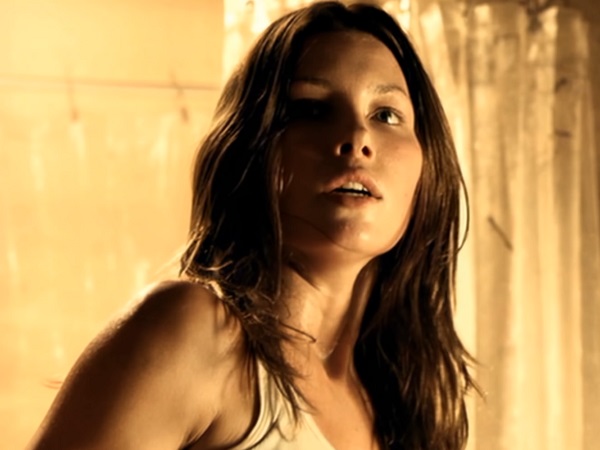
The following year, in 2004, Dawn of the Dead arrived. Directed by Zack Snyder and written by James Gunn, this was a remake of a George A. Romero zombie film from ’78, and it too was a box-office winner.
The remakes then continued with The Grudge (2004), a reworking of the 2002 Japanese horror, Ju-On: The Grudge; The Amityville Horror (2005), a remake of the ’79 movie of the same name; and House of Wax (2005), a remake of the 1953 movie of the same name, which in turn was a remake of 1933’s Mystery of the Wax Museum.
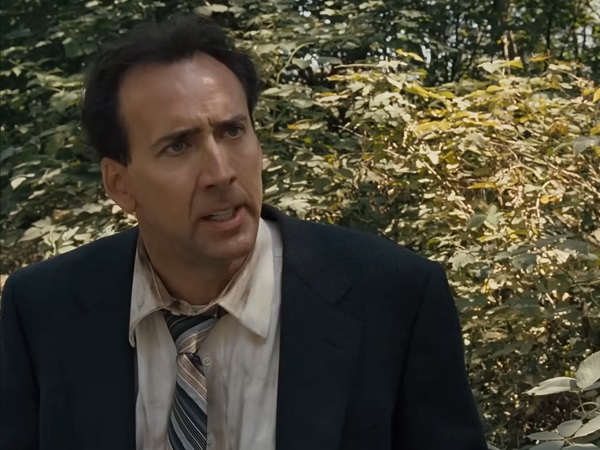
Further remakes followed including Dark Water (2005); The Fog (2005); When a Stranger Calls (2006); The Hills Have Eyes (2006); and The Omen (2006). The 1973 British folk horror, The Wicker Man was also remade in 2006, with Nicolas Cage taking the lead.
From here studios began working on extensions of their remakes, including The Texas Chainsaw Massacre prequel, The Texas Chainsaw Massacre: The Beginning (2006), as well as The Grudge sequel, The Grudge 2. There was also space for The Hills Have Eyes 2 (2007).
The remakes then continued with Black Christmas (2006), The Hitcher (2007), and Halloween (2007) – Rob Zombie’s darker remake of the John Carpenter classic. The post-apocalyptic survival horror, I Am Legend, also made its debut.
Although more of an adaptation of Richard Matheson’s novel of the same name than a remake, this was the third time I Am Legend had been put on screen. Previous versions included The Last Man on Earth (1964) and The Omega Man (1971).
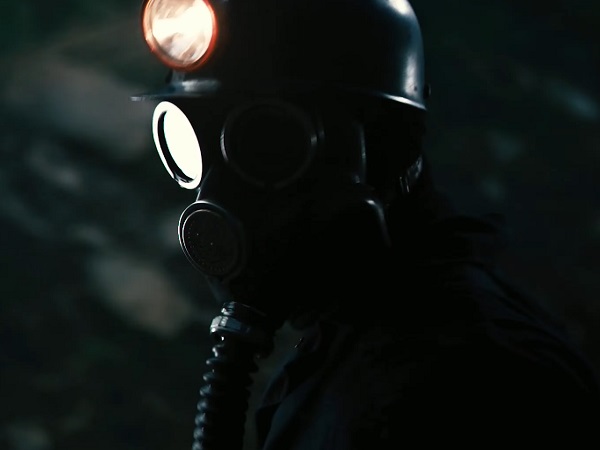
And then from here further remakes continued, including One Missed Call (2008), Prom Night (2008), My Bloody Valentine (2009), Friday the 13th (2009), The Last House on the Left (2009), and The Stepfather (2009). A couple more sequels to remakes also popped up via Return to House on Haunted Hill (2007) and Rob Zombie’s Halloween II (2009).
Between 2003 and 2009, many of the major (and minor) horror movies of the 1970s and 1980s had received the remake treatment. Even those that didn’t, such as 1981’s Evil Dead or 1984’s A Nightmare on Elm Street, managed remakes in 2013 and 2010 respectively.
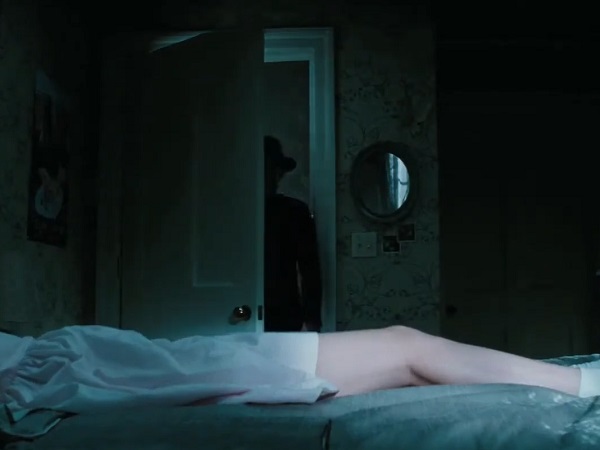
You could argue that not all of these remakes were the result of Scream‘s success, and that would be a valid argument, but the ’96 slasher certainly got the ball rolling. Scream brought in fans from all over the world, made horror fun again (as well as a topical talking point), and gave Hollywood a money-making idea.
The success of The Texas Chainsaw Massacre remake, the rise in slashers, found footage films, and J-horror, as well as the continued popularity of DVD, Blu-ray, and home video rental, also helped drive the genre forward. Because of all this, the industry needed to keep delivering horror to the masses, and the most obvious (and often profitable) way forward was via remakes.
This then became a self-fuelling sector of the movie business, which continued on and on (2010’s Piranha 3D, 2015’s Poltergeist, 2019’s Child’s Play, etc). It didn’t begin in the late ’90s or the 2000s, as Hollywood has been remaking horror movies all the way back to the early days of cinema, but it sure went into hyperdrive around this time.
I suppose the question is: Was it worth it? Well, to Hollywood yes.
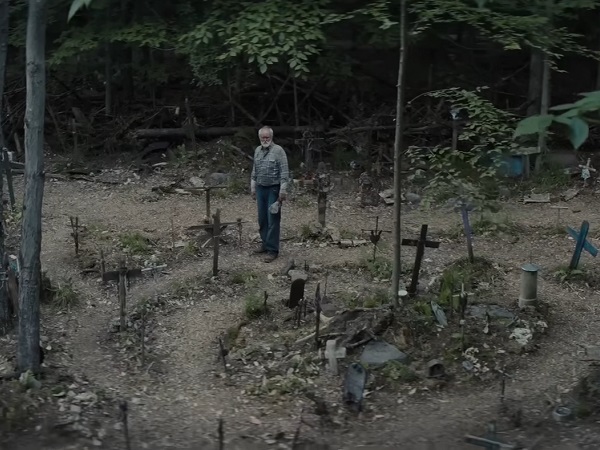
Remakes tend to do well financially, even if they often miss the mark critically. Some even go on to produce sequels or prequels, as noted with some of the examples above, or via films such as 2019’s Pet Sematary, a remake which spawned the 2023 prequel, Pet Sematary: Bloodlines.
That said, most remakes tend to be a ‘one and done’ kind of thing. Even if they do produce multiple entries they eventually get abandoned in favour of a return to the original continuity.
Take Rob Zombie’s Halloween movies from the ’00s which made money, but were divisive. After two films, a proposed third entry was ditched in favour of reconnecting Halloween back to its existing (convoluted) timeline.
Same thing happened with The Texas Chainsaw Massacre reboot. After the arrival of a prequel, the next three films anchored themselves to the ’70s original instead or faffing around with remakes.
But this doesn’t mean all remakes, reboots, and reworkings are bad. Dawn of the Dead was great, so was Evil Dead, and if we rewind the clock back to the 1980s, The Thing (1982), The Fly (1986) and The Blob (1988) were also excellent.
The key thing here is that for an extended period of time, Hollywood became somewhat obsessed with horror remakes, and audiences seemed OK with it. If we didn’t watch these movies then the film industry wouldn’t have kept pumping them out.
Thankfully, (for now anyway), there is a current drive for fresh ideas. Films such as Get Out (2017), Hereditary (2018), Bring Her Back (2025), Heretic (2025), Weapons (2025), Sinners (2025), Obsession (2026), and Backrooms (2026), are what is driving the genre forward.
Of course, these films will no doubt get remade in the fullness of time – such is the circle of life. But then maybe, the true success of a horror movie is when it is given the remake treatment, allowing us all to pay our money to see it, before telling our friends “it’s not as good as the original.” Which it usually isn’t.
__
__
Thank you for stopping by It’s A Stampede! to read this post about horror movie remakes. For more posts, be sure to check out the recommended reads below.


Leave a comment