
You may have noticed something a little confusing when it comes to new movies. Big films are coming out with significant fanfare, critics are fairly dismissive of them, making it appear as if they are awful, and yet the general public seem to enjoy what’s on offer.
It happened recently with Masters of the Universe, which critics rated 67% on Rotten Tomatoes, while audiences rated it 86%, and it happened with Supergirl which received 54% from critics versus 76% from audiences. These are just two examples, but this is a common occurrence.
Critics often dislike something which general audiences enjoy. On the flipside, critics will rave about a movie which they declare is a masterpiece, while Joe Public thinks it is terrible.
So what gives? Why are critics and audiences often divided over their opinions of films? Are critics dumping on movies for no reason, or are audiences too easily pleased?
Let me offer up an explanation.

Now, before I explain why there seems to be a disconnect between critics and general audiences let me give you full disclosure: I am a film critic. I’ve been critiquing film in a professional capacity for years, and I review multiple movies a week, covering all genres and all budgets.
Now, with that said, why do critics and audiences sometimes have completely different opinions about movies? Well, the simple answer is: As critics we are often approaching movies from a different perspective than most cinema goers.
Professional critics watch movies for work, general audiences watch movies for pleasure. Now, this doesn’t mean critics can’t relax and enjoy a movie, but it does mean we are looking at things differently and are bringing different experiences and expectations to the screen.
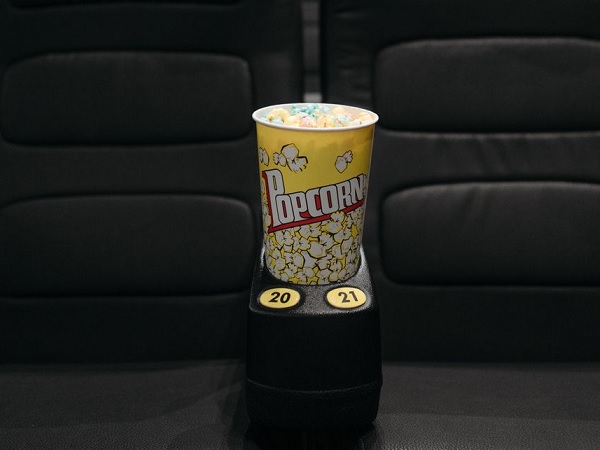
Your average person (I’m not talking about a dedicated film fan) probably watches around 50 new movies a year, which works out at about one new movie a week, give or take. Some of these films come via streaming, with an algorithm pointing people in the right direction, while a great deal of the films are specifically chosen by that person to reflect their taste.
So, for example, if Person A likes big blockbusters based on famous IPs (Jurassic World, Ghostbusters, The Avengers etc), the majority of what they watch will be this type of film. And of course, Person A has no need to watch movies which don’t slot into their interests, so everything else will come and go, largely unnoticed.
Now, your average film critic is watching a lot more films – anywhere between three and six movies a week, which could work out at around 300 new movies a year. This is six times what Person A is potentially watching.
Amongst these 300 new movies, we will run the gamut from top quality to utter dross. From brilliant and overlooked gems, all the way down to tired crap which rips off every other film in its genre.
As critics we do this year in, year out. We’ve also watched many/most of the all-time classics, and we’ve sat through various iterations of what is essentially the same story, played out again and again with varying results.
So, when we sit down to watch a movie for review, we are often watching a new version of something we’ve seen countless times before. In fact, we may have seen this same sort of thing five times already in one year, or even in one month!
This leads to inevitable comparisons between this new film, and an alternative movie which (in our opinion) may have done things better. It also leads to less tolerance for things which seem repetitive, redundant, derivative, half-arsed, or just plain shit.

Our job is to critique the movies, highlighting the positives while pointing out the negatives. It could be argued that some critics do this a little too much, by really drilling down into the finer details that your average person wouldn’t consider or even care about, but it is difficult to not mention things we spot and/or like and dislike about what we are watching.
We make notes, we familiarise ourselves with each movie before we watch it, and we sit with the film for a while post-screening before sharing our thoughts. We can spend hours and hours circling just one movie, rather than just the 90-minutes it might actually be in front of us.
This isn’t the same case for general audiences. Your average person is watching a film without analysing or critiquing it – they just want entertainment.
This isn’t to say audiences aren’t choosy or critical of what they watch, or don’t think about it when the credits roll, it’s just that most people switch on a film for fun for a couple of hours, and then they switch off. If they like Masters of the Universe because it reminds them of their childhood heroes, or they enjoy Supergirl because it provides two hours of escapism, that’s all that matters.
Critics will sit and watch the same movie and may have completely different opinions because we are coming at a film from different angles. We will also talk at length about what we like or dislike because that is what we are paid to do.
General audiences don’t need to do this. They don’t need to explain why they thought something is good or bad, they just unconsciously decide if they liked it or not.

So, who is right or wrong? Well, neither actually – movies are subjective.
Whatever you feel about a film is what YOU feel about a film. Your opinion is just as valid as anyone else’s, but remember, it is just an opinion.
The reason why the opinion of critics often seems quite loud and appears to carry more weight is because our opinions are being placed on a platform where it is deliberately amplified to reach readers. We also get in early with our opinions, before general audiences have had time to finalise theirs.
But these opinions can be ignored or challenged. In fact, critics should be challenged on a regular basis because we do get things wrong and we can get stuck on the finer details.
And there will be critics you agree with more than others. You won’t agree with them 100% of the time, but your views will align better with some critics.
Which brings me to the best advice I can offer. Find a critic you like or one who you believe offers balanced opinions and follow their reviews.
Once again, you don’t always have to agree with them, but you might find them useful. And that’s what critics are really there for – to be useful.
A big part of our job is to offer our opinions on movies, but we are also here to make you aware of movies you might like. Hundreds of films are released every year, which many members of the public don’t even notice, and as critics we are able to bring some of the lesser known titles to your attention.
If we’re not doing that, and we’re just sounding off about the movies you already know, then personally I don’t think we are doing our jobs very well. Some may disagree and that’s fair enough.
Either way, we can be a force for good, rather than just being those people who tell you some of your favourite movies are bad. Which of course they’re not, if you enjoy them.
But going back to the original point of this discussion, we do see things slightly differently to general audiences, which is why we can sometimes appear too harsh or maybe even too complimentary to movies. From our point of view we always aim to be fair, and our opinions are based on what we see, how original or derivative we believe it is, and whether we personally have fun with it.
—
—
Thank you for stopping by It’s A Stampede! to read this post. For more posts be sure to check out the recommended reads below.


Leave a Reply