Back during the late 1980s and early 1990s, the Batman movie franchise was going strong, with Batman (1989), Batman Returns (1992), and Batman Forever (1995) putting the Caped Crusader on the big screen in big budget feature-length adventures. Then came the fourth entry in the Batman Anthology, Batman & Robin – the final chapter in the ’80s/’90s run of Bat-flicks.
But was Batman & Robin always intended to be the final entry or was a fifth Batman film supposed to happen? In this post I will explain the reasons why Batman & Robin ended the series and what happened with Batman 5.
__
Change in tone
To understand why Batman & Robin was the final film in the Batman Anthology it is important to understand where the Batman movies started. Back in 1989, when Tim Burton’s Batman opened in movie theatres it was somewhat of a revelation for fans.
The movie was dark, gothic, edgy – it was completely different to the light, campy adventures that the Caped Crusader had previously been involved with during the ‘60s Batman TV show and spin-off film, Batman: The Movie (1966). Audiences liked this darker Dark Knight.
As the series progressed into Batman Returns, the tone was adjusted ever so slightly to make an even creepier, more macabre version of Batman. However, while fans may love the movie now, the audiences of 1992 were not quite on board and it was not as successful as Batman ’89.
Batman Returns was seen as being too dark and some parents in particular were not keen on their children watching such a grim version of Batman. As such, when a third film went into development, the mandate from Warner Bros. Pictures – the studio behind the Batman movies – was to lighten things up a bit and make the Dark Knight a bit less dark.
Batman Forever was seen as the answer to the perceived problems with Batman Returns and audiences in 1995 agreed. The movie was commercially more successful than its predecessor and it appeared that a lighter approach was favoured.
Going into the fourth entry the objective was to turn up the brightness even further. A brighter Dark Knight would mean more families could become invested in the film and in turn, more merchandise (including toys) could be produced and sold.
And therein lies the first problem with Batman & Robin – the tone. While it seemed to make commercial sense to go lighter for the fourth movie, for audiences it seemed a rather bizarre choice.
The lightness on display in Batman & Robin – which was akin to the tone of the ‘60s Batman show – was the complete opposite of what had been on display in Batman ’89 and Batman Returns. So much so, that many fans felt the film was in no way a continuation of what had come before – it was simply too different.
This change of tone was meant to encourage audiences to enjoy spending time with the Caped Crusader. Unfortunately, at the time, it had the opposite effect.
__
Critical failure
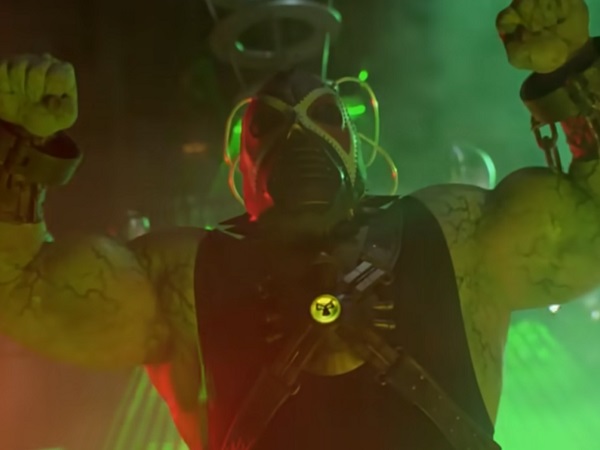
When Batman & Robin opened in cinemas, critics did not like the movie. Reviews were bad – very bad – and as a result the film debuted to a great deal of negativity which it struggled to recover from.
The tone was criticised, as was the over reliance on special effects and one-liners. The film’s $125 million budget was clear for all to see on the big screen, but that didn’t make up for a shortfall in other areas of the movie, including characterisation.
In his review of the film, prominent film critic Roger Ebert awarded the movie two stars and said: “My delight began to fade at about the 30-minute mark, when it became clear that this new movie, like its predecessors, was not *really* going to explore the bizarre world of its heroes, but would settle down safely into a special effects extravaganza.”
Ebert’s review was typical of other write-ups in 1997 and it was difficult to find many critics who had a good word to say about the movie. In a world where reviews can make or break a film, Batman & Robin had a difficult battle.
But it wasn’t just the reviews – audiences were simply not on board. That’s not to say the film wasn’t a commercial success, it made money, but it wasn’t the sizeable hit that Warner Bros. Pictures had hoped for.
__
No desire to continue
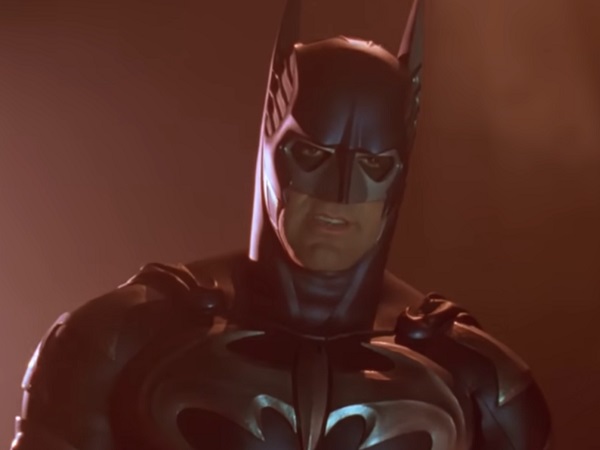
So, did a fall in profits put Warner Bros. off making a fifth entry in the series? According to the late Batman & Robin director, Joel Schumacher, no – the studio still had plans to continue with another movie.
Despite the critical backlash, and a dip in box office returns, Warner Bros. remained keen to press ahead regardless. So, much so, they wanted Schumacher to continue as director for Batman 5 – but he wasn’t as keen.
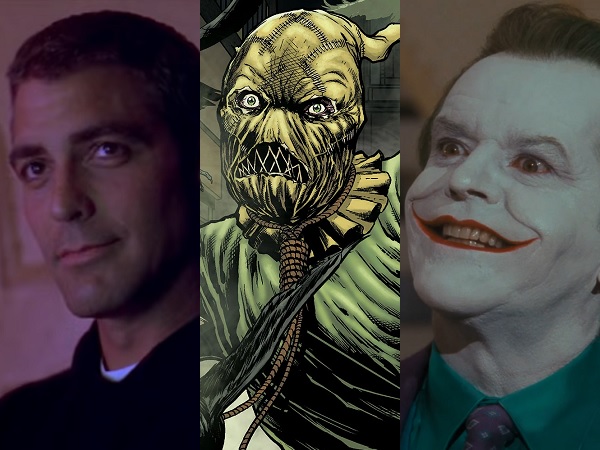
In the documentary, Shadows of the Bat – The Cinematic Saga of the Dark Knight, Schumacher said: “The studio wanted me to do a fifth Batman, which would have been my third, which would have featured the Scarecrow and I just couldn’t do it. I just… it wasn’t really in me anymore. It has to be a true passion – it can’t be a job, and it can’t be because people expect you to do it.”
Had Schumacher agreed to direct another Batman movie, a fifth entry in the Batman Anthology would have gone ahead. But because he declined the studio took a step back to reassess the direction of the Batman movies.
__
Batman: DarKnight
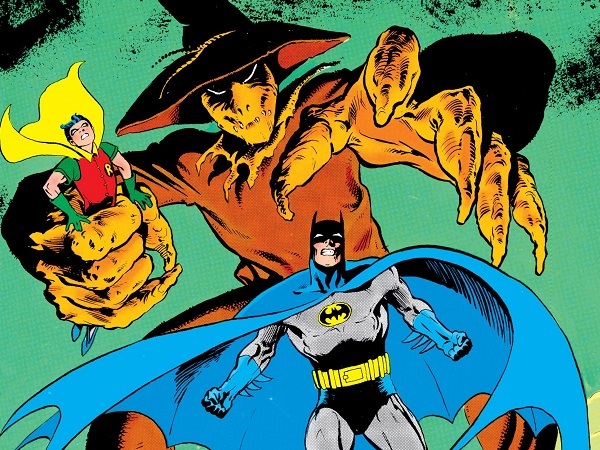
With Schumacher out, the studio spent a long time trying to work out its next move. As a result, various potential Batman movie projects were rumoured or thrown into the mix, from a Batman vs. Superman movie (not the one that arrived in 2016) to a Batman Beyond film, and a picture with Harley Quinn, played by MTV’s Jenny McCarthy.
One of the proposed projects was Lee Shapiro and Stephen Wise’s Batman: DarKnight. The film would have taken place after the events of Batman & Robin, and would have featured the villains, Scarecrow and Man-Bat.
In an interview with Batman on Film in 2005, Batman: DarKnight co-writer, Lee Shapiro, said of the project’s title, “we wanted to emphasise the Dark Knight, as well as the nature of our script – a dark night.”
According to Shapiro, following the events of Batman & Robin, the story would have seen Bruce Wayne in a self-imposed seclusion and Dick Grayson attending Gotham University. Bruce feels as if he has lost his way and his enemies are no longer afraid of the Batman.
Meanwhile, Professor Jonathan Crane and Dr. Kirk Langstrom are Gotham University employees, who transform into the Scarecrow and Man-Bat respectively. Man-Bat then terrorises Gotham, leading to Gothamites wrongfully believing it is Batman.
A script was written and it was passed on to Joel Schumacher’s team as well as the then director of development at Warner Bros, Tom Lassally. It also made its way to other people involved in the Batman movie series, including executive producers, Benjamin Melniker and Michael Uslan.
But both Schumacher and Lassally stepped away from their positions, taking them out of the frame. A new director of development was appointed, in the shape of Jeff Robinov, but he also passed on Shapiro and Wise’s script.
__
Batman: Unchained
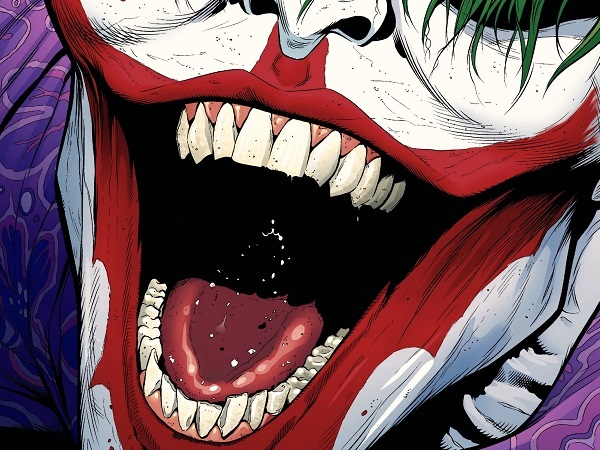
Another of the proposed Bat-films was Mark Protosevich’s Batman: Unchained. The film – sometimes mistakenly referred to as Batman Triumphant – would have seen the Caped Crusader take on the twin menace of Scarecrow and Harley Quinn.
In the movie, Batman would have fought both Scarecrow and Harley, before being sent to Arkham Asylum as part of a villainous scheme. It is here where the Dark Knight would have faced his inner demons, as well as a few familiar faces from his past.
According to The Hollywood Reporter, Warner Bros. Pictures wanted to tie all of the previous movies together, by bringing back the likes of Jim Carrey, Tommy Lee Jones, Michelle Pfeiffer, Danny DeVito and Jack Nicholson for cameos. The actors would have appeared in an hallucination sequence, which would have seen Batman put on trial to face the likes of Riddler and the Joker.
Protosevich wrote an initial draft of Batman: Unchained, just before Batman & Robin was due in theatres. But the immediate fall-out from the movie, plus the fact the script was deemed too expensive to film, put an end to it there and then.
According to Protosevich, he kept calling, the studio stopped talking, and the Batman franchise remained on hiatus until someone could figure out a way to move forward with the series. What was clear during this period of time was that Warner Bros. had no desire to continue down the route of lighter Batman tales.
Batman & Robin simply hadn’t worked in the way the studio had hoped and it was something which needed to be addressed. To take the Batman movie series forward, a new direction was needed and it needed to be interesting enough to convince audiences to return to theatres.
__
Reboot
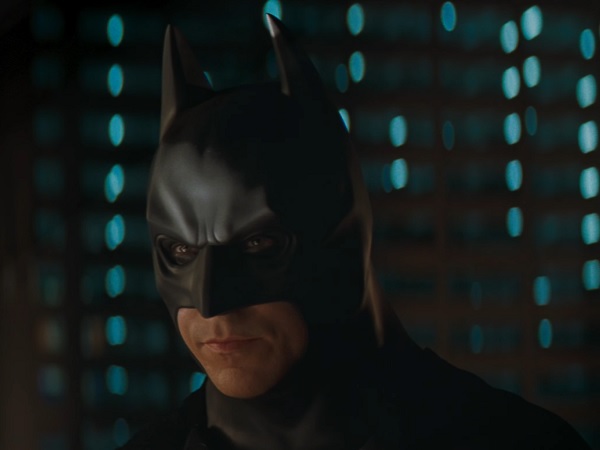
Ultimately, the decision was made to reboot the franchise – to take the Batman movies back to the beginning. Not just reset the series, but to also reset Batman, with a new face, new gadgets, and a new sense of purpose.
The project was not conceived as a fifth Batman movie, but rather the beginning of something completely new. A clean slate, if you will.
And it arrived in 2005 as Christopher Nolan’s Batman Begins. The title was a reference to the subject of the film, as well as a nod to the studio’s desire to restart the series.
Upon release, Batman Begins was a hit and this paved the way for two sequels: The Dark Knight (2008), and The Dark Knight Rises (2012). Once all three films were out, there was no further talk of Batman 5.
The closest anyone has come to a revival of the ’80s/’90s Batman movies, on film anyway, has come via 2004’s Catwoman, which included a reference to Michelle Pfeiffer’s Catwoman, and 2023’s The Flash, which saw Michael Keaton and George Clooney return for some multiverse madness. But that’s it.
Any other continuation has come via books and comics. Warner Bros. moved on, leaving Batman 5 nothing but a memory and a lost moment in time.
__
__
Thank you for stopping by It’s A Stampede! to read this post about Batman. For more posts be sure to check out the recommended reads below.


Leave a Reply