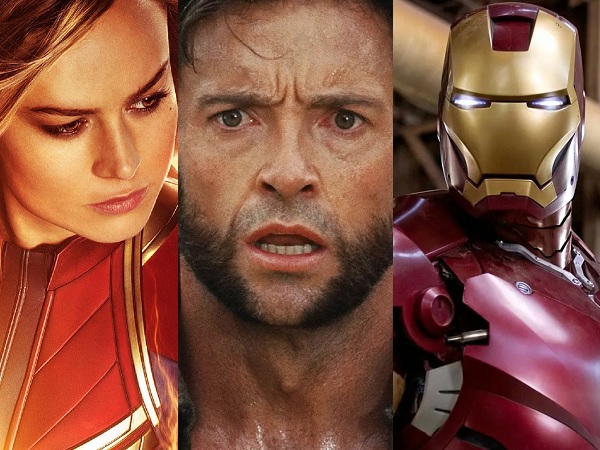
Since the mid 1990s, Marvel’s mutant heroes known as the X-Men have featured in a series of movies. Most of these films have been huge, big budget productions, boasting top notch special effects, and many of these films have been huge hits with audiences.
In fact, the X-Men movie series has been so popular, it has been one of the most successful comic book movie franchises of all time. Between the main X-Men movies (X-Men, X-Men 2, etc), and the spin-off films (Deadpool, The New Mutants, etc), the series has made a lot of money and has allowed characters such as Wolverine and Storm to become household names.
When the X-Men movie series first got off the ground, it existed firmly in its own universe, away from many of the other Marvel Comics characters. The mutants in the X-Men films interacted with other mutant characters, but there was no crossover with the likes of Spider-Man or The Avengers.
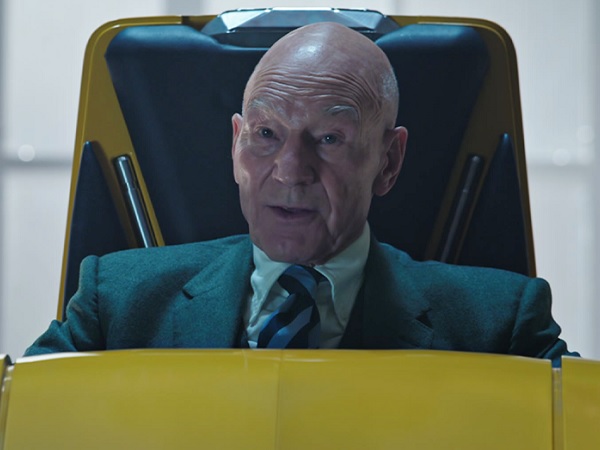
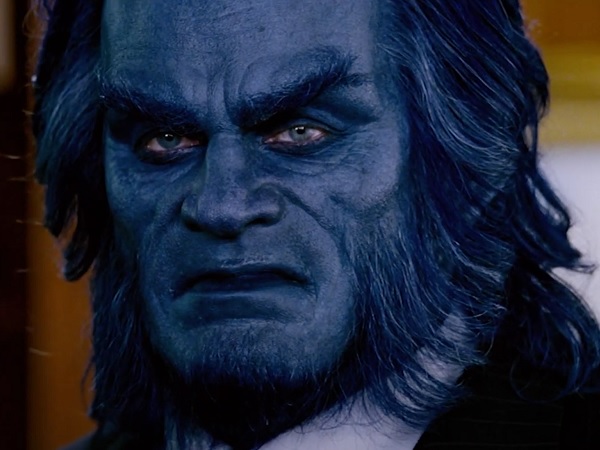
But in 2022, Professor Charles Xavier, the leader of the X-Men, appeared in the Marvel Cinematic Universe movie, Doctor Strange in the Multiverse of Madness, where he interacted with various Marvel heroes. And then in 2023, the Beast popped up for a quick cameo in The Marvels, where he too interacted with Marvel heroes.
So, if these X-Men characters have appeared in MCU movies, does that mean the X-Men movie series is part of the MCU? Are all of the previous X-Men movies connected to the likes of Iron Man, The Avengers, and Guardians of the Galaxy?
In short: No. The films exist in their own universe, which operates adjacent to the Marvel Cinematic Universe, but this answer needs a bit more explanation to fully understand why.
To explain how this all works, it’s best to go back to the beginning and establish a few key facts.
Marvel Comics – the publishing arm of Marvel – owns thousands of characters, ranging from Ghost Rider and the Punisher, to Captain America and the X-Men. All of these characters regularly interact in the comics, and all exist in the same comic book universe.
If you go into a comic book shop today, or you download a digital comic online, you can read countless stories in which all of the heroes team up to fight a common threat. Crossovers and guest appearances are regular things in the pages of Marvel comics, and will continue to be for decades to come.
But when it comes to movies, things are a bit different. This is because different studios own different rights to different Marvel characters, and for a long time this put limitations on crossovers and interactions.
Many decades ago, Marvel Comics was keen to put many of its characters on the big screen. In order to do this, the publisher made deals with various movie studios (20th Century Fox, Universal Pictures, Sony Pictures, etc), to give these studios the opportunity to adapt core characters.
As part of this deal, each studio would have access to certain characters. For example, Sony purchased the movie rights to Spider-Man, which also included Spider-Man-related characters, like Venom and Morbius.
20th Century Fox purchased the rights to the X-Men, and this gave the studio access to all X-Men-related characters. The studio couldn’t use non-X-Men characters like Spider-Man or the Hulk, but it could do whatever it wished with the likes of Rogue, Gambit, and Bishop.
With a wealth of X-Men characters suddenly at its disposal, 20th Century Fox put its first X-Men movie into production. The project was a television film called Generation X, which aired on TV back in 1996.
Generation X was not a hit with viewers and pretty much faded out of sight once it aired. However, this didn’t deter 20th Century Fox and soon the studio pushed ahead with plans to make more X-Men movies, resulting in the release of the 2000, big budget summer blockbuster, X-Men.
Upon release, X-Men was a big hit at the box-office and it kick-started a run of X-Men sequels and spin-offs. From 2000 to 2020, 20th Century Fox built up a sizeable collection of X-Men movies, and almost all were very profitable.
While 20th Century Fox was busy developing its X-Men movie series, other studios were busy producing their own Marvel movies. All of these movies existed in their own little universe, and some were quite successful.
But after a while, some of the studios stopped making movies and the film rights to some of the characters lapsed. These rights then made their way back to Marvel Comics, who decided to hold onto them, rather than sell them off again.
From 2008 onward, Marvel began producing its own movies, under the film division of the business: Marvel Studios. The first film to be released was Iron Man and this became the starting point of the Marvel Cinematic Universe.
But with certain deals still in place with existing studios, Marvel Studios could only produce movies based on characters that were not currently licensed out. As such, it could not feature any X-Men characters in the MCU, as these heroes were still under license with 20th Century Fox.
Throughout the late ‘00s and throughout the 2010s, Marvel Studios expanded the Marvel Cinematic Universe with films such as Captain America: The Winter Soldier and Avengers: Infinity War. Meanwhile, 20th Century Fox was busy with films such as X-Men: Days of Future Past and Logan.
Although both studios had Marvel characters in their portfolio, the two studios operated separately and for a while nothing would change this. 20th Century Fox’s X-Men movies existed in one universe, while Marvel Studios’ MCU films operated in another.
This operation would have continued indefinitely if not for one significant change that happened in 2019: Disney – the owner of Marvel Comics and Marvel Studios – bought 20th Century Fox. The buy-out deal gave Disney ownership of all 20th Century Fox properties, and this included all of the Fox-produced X-Men movies.
The buy-out brought an end to the previous deal that had been made between Marvel Comics and 20th Century Fox. As Disney now owned everything Fox owned, the X-Men would now be available for use in any Marvel Studios film – no further restrictions applied.
However, rather than suddenly start putting X-Men characters into the MCU, Marvel Studios wanted to keep the existing X-Men movies as separate entities from the MCU. All of the X-Men movies happened, but they happened in a different universe under Fox’s watch, and Marvel Studios wanted to make this clear.
But, if the X-Men universe and the Marvel Cinematic Universe are separate, how come some characters have crossed over? Well, this is all down to the multiverse.
Slowly, through the use of the multiverse, Marvel Studios have reintroduced X-Men characters such as the aforementioned Professor Xavier and the Beast. These characters exist in an alternate universe to the MCU, but due to certain events in the MCU films, they are able to bridge the gap between the two universes.
As the MCU expands, more X-Men characters will appear in Marvel Studios movies but it will happen slowly. The studio will also develop new X-Men projects, but again this will take time.
For now, the X-Men movies are not part of the Marvel Cinematic Universe. They are slowly becoming connected, but all of the X-Men movies originally produced by 20th Century Fox operate in their own universe, and this universe exists adjacent to the MCU.
—
Thank you for taking the time to read this post about the X-Men and the MCU on It’s A Stampede! – I hope it has proved useful. For more useful posts, be sure to check out the recommended reads below.


Leave a Reply