On September 4th 1989, The Super Mario Bros. Super Show! hit television screens. Presented by ‘Captain’ Lou Albano and Danny Wells, the series was positioned as a part-live-action, part-animated children’s television show, which had one main goal: To bring Nintendo’s Super Mario Bros. to the small screen.
Each episode began with a live-action segment featuring Mario (Albano) and Luigi (Wells), as two plumbers who operate a business in Brooklyn. These segments centred around daft, comedic sketches, often featuring guests (Sgt. Slaughter, Ernie Hudson, Patrick Dempsey, Danica McKellar etc), and helped to bring the Mario Bros. to life.
Once the live-action segments were done, the show then turned its attention to animation through a series of Super Mario Bros. cartoons, which played out through the remainder of the show. The ‘toons – which featured the voices of Albano and Wells – sent Mario and Luigi off on various adventures with Princess Toadstool and Toad.
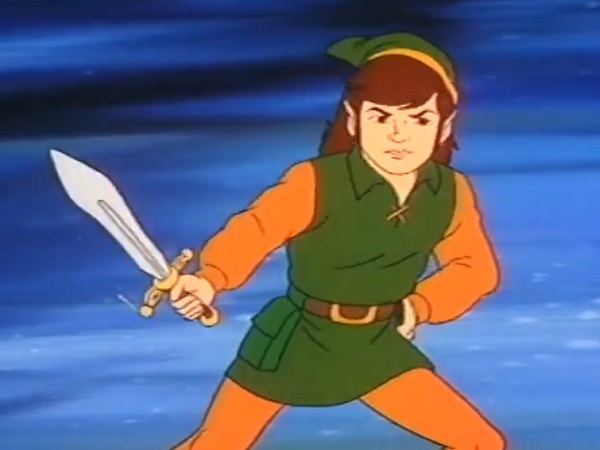
The Super Mario Bros. Super Show! aired Monday to Friday, with the Mario Bros. cartoons appearing on Mondays through Thursdays. However, on Fridays the Mario cartoons were replaced by The Legend of Zelda – an animated series based on the video game of the same name.
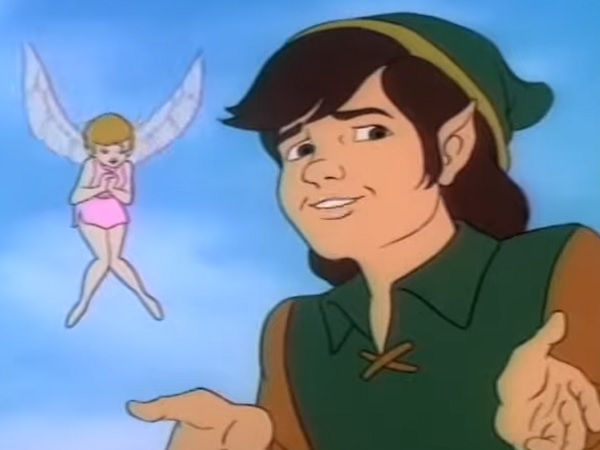
In total, 13 episodes of The Legend of Zelda aired on The Super Mario Bros. Super Show!, appearing on Fridays between September 8th and November 24th. The show was based on the NES-era of The Legend of Zelda, so featured characters from those early games, including Link, Zelda, and Gannon, as well as various monsters (and sound effects).
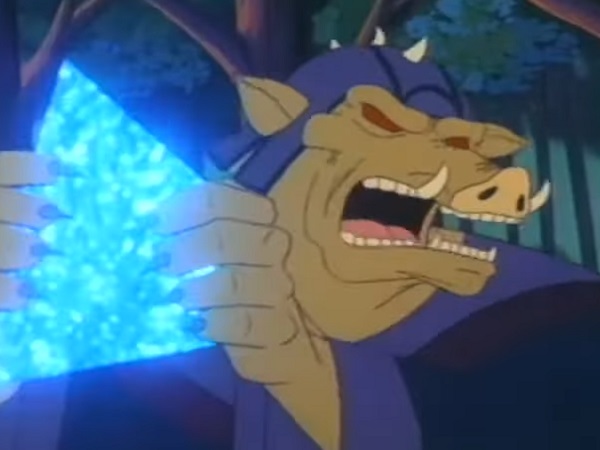
Jonathan Potts provided the voice of Link, while Cyndy Preston voiced Princess Zelda. Len Carlson took on the role of Ganon, while Paulina Gillis voiced Spryte, and Colin Fox voiced King Harkinian.
In the series, Link was depicted as a teenage adventurer, with Zelda a self-sufficient princess. The plots tended to focus on Ganon attempting to obtain the Triforce of Wisdom, with Link and Zelda throwing a spanner in the works.
Showcasing decent animation, plenty of action and adventure, and a D&D vibe, The Legend of Zelda was a simple, yet likeable cartoon. Sure, it was far from perfect, and Link’s constant use of his catchphrase, “Well, excuse me, Princess!”, was enough to test the patience of a saint, but it was fun, frothy stuff nonetheless.
Should The Legend of Zelda have lasted longer than 13 episodes? Probably, but if it had, the plots certainly would have needed more work, and maybe this would have robbed the cartoon of its ’80s charm.
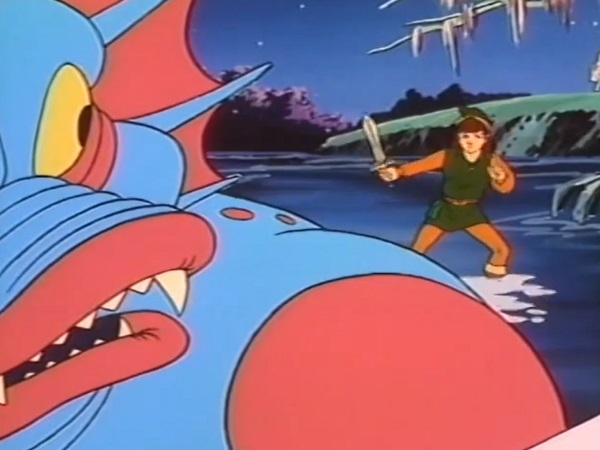
The late ’80s was a good time to be a Nintendo fan, with the Mario cartoon, The Legend of Zelda, and ’89’s Captain N: The Gamesmaster ‘toon all cropping up on screens, and if you were around at the time it was kind of magical. OK, so none of the shows were award-winning stuff, but they all brought Nintendo characters to life through animation, and it was great to see Link battling his way through Hyrule on TV screens.
Shortly after airing on television, The Legend of Zelda made its way to VHS, where it was presented as a standalone cartoon, and it also appeared on DVD. These releases didn’t give the cartoon a new lease of life, but they gave fans of the The Legend of Zelda the opportunity to indulge in the animated antics as many times as they wanted.
__
A list of The Legend of Zelda episodes
If you didn’t catch The Legend of Zelda the first time around, here is what you missed:
The Ringer
In The Ringer, Link has grown bored of his adventurer lifestyle, while Zelda holds a wizarding competition. Meanwhile, Ganon plans to sneak into the castle to steal the Triforce.
Cold Spells
In Cold Spells, Link fakes a cold to get out of some spring cleaning. Meanwhile, Ganon increases Spryte’s powers to cause chaos at the castle.
The White Knight
In The White Knight, Prince Facade arrives in town and sweeps Zelda off her feet. Meanwhile, Ganon attempts to exploit Facade’s weakness in order to kidnap Zelda.
Kiss N Tell
In Kiss N Tell, Link kisses a damsel in distress and is turned into a humanoid frog. Meanwhile, Ganon kidnaps Zelda.
Sing for the Unicorn
In Sing for the Unicorn, Ganon kidnaps King Harkinian, while riding on the back of a stolen unicorn. Link, Zelda, and the unicorn’s owner, Sing, team up and come to the rescue.
That Sinking Feeling
In That Sinking Feeling, Zelda mounts an assault on Ganon’s lair. Meanwhile, the castle is pulled underground.
Doppelganger
In Doppelganger, an evil double of Zelda is created via a magic mirror. The double attempts to trick Link into taking the Triforce of Wisdom into the underworld.
Underworld Connections
In Underworld Connections, the Triforce is shattered into three pieces, with one piece stolen. Zelda and Link set out in search of the missing piece to reunite the Triforce.
Stinging a Stinger
In Stinging a Stinger, Link is given a beautiful new sword as a thank you, after he rescues a traveling merchant from bandits. However, the sword is a fake.
Hitch in the Works
In Hitch in the Works, Link sets out to fake a Moblin attack. Overhearing his plan, Zelda fails to react when real Moblins arrive to kidnap her.
Fairies in the Spring
In Fairies in Spring, the King orders the construction of a water park, which results in monsters attacking the construction crew. When the King arrives to check on their progress, another monster kidnaps him.
The Missing Link
In The Missing Link, Ganon attempts to kidnap Zelda using his magic wand, but Link is caught up in the attack and his body is sent to Ganon’s Evil Jar. Zelda and Link’s spirit travel to the underworld to reunite Link with his body.
The Moblins Are Revolting
And finally, in The Moblins Are Revolting, one of Ganon’s Moblins revolts and traps Ganon. With Ganon temporarily out of the way, the monsters storm the castle of Hyrule.
__

__
Thank you for stopping by It’s A Stampede! to read this post about The Legend of Zelda. For more posts be sure to check out the recommended reads below.
 It's A Stampede!
Leave a comment