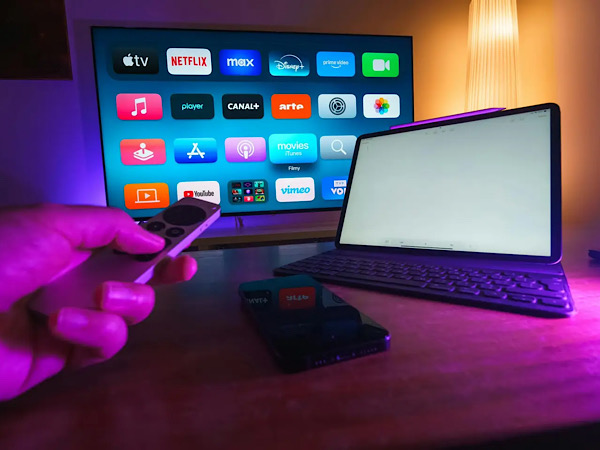
Over the past few years, when it comes to entertainment, and how we view television, there has been a significant shift. The old way of doing things (i.e. sitting and watching a long-running, weekly show) has largely gone, and in its place is something different.
Whereas once upon a time, we would settle down each Thursday for twenty-odd weeks of ER, these days we are being served up eight episodes of Wednesday which we can polish off, well, on a Wednesday.
There’s no need to wait a week for the next fix, the whole season is there, ready and available at the touch of a button. All you need do is press play, and Netflix will deliver the series direct to you.
Heck, you don’t even need to worry about sitting through any credits anymore. If the show has an opening title sequence (a rarity these days), you can click the ‘skip’ option to completely bypass it.
For all intents and purposes this is one heck of a service! You get all the episodes in one go, and all packaged up and thrown at you with speed. Winner, winner, right?
Many believe it is, and the TV model for streaming is popular. Especially when it delivers ‘prestige’ shows from top creators and/or directors.
Of course, the downside is that viewers are asked to wait a fairly lengthy time between the release of seasons, which can often be years (three years in the case of Wednesday). Whereas we once had an annual influx of 22 episodes, now we are lucky if we get eight in a blue moon.
But is the wait a big problem? I’d argue it is, but things go much deeper.
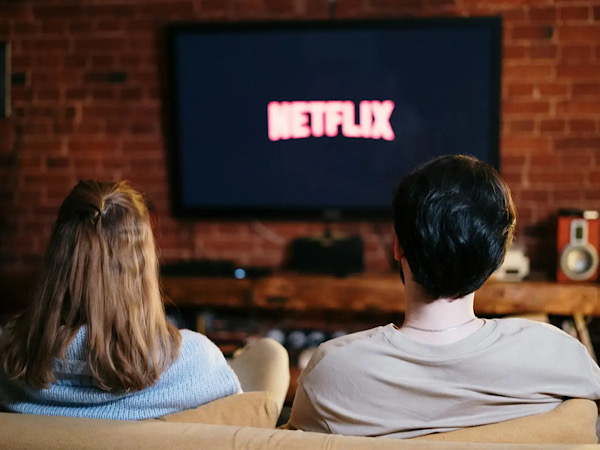
The wider issue is that shows no longer seem to be omnipresent like they once were. There are a few exceptions (Stranger Things being one of them), but many shows have an air of disposability about them, and viewers are perhaps not as invested as they once were.
Oh, there is fierce love for some shows, but I’d argue it’s not the same level of interest, or dare I say obsession. And the reason is because shows don’t occupy the same space in our lives as they once did.
Think about it. What were you doing when The X-Files aired its original weekly, nine-season run, or when Friends was working its way through ten seasons of comedy? Chances are, you know exactly where you were.
How about when Smallville was on air or maybe Stargate SG-1, Xena: Warrior Princess or Lost? What was going on in your life during this time?
I’d put money on you having an answer. For example, you might have watched Star Trek: The Next Generation every week after work or you tuned in to X-Men: The Animated Series every Saturday morning for years.
I know I did. I also watched most of Buffy the Vampire Slayer as I was moving my way through high school.

I was of a similar age to Buffy when the show originally aired, so as she was ticking off the years, either at school or post-graduation, I was doing a similar thing. My experience didn’t involve an all-singing, all-dancing demon, nor did I die multiple times before being resurrected, but there was certainly a shared ‘life’ connection between the two of us, including the trials and tribulations of becoming an adult.
And with Buffy the Vampire Slayer airing just one episode a week, it meant that if I wanted another Buffy fix in between, I’d have to video tape each episode and watch it again while I wait – which I did! In fact, I’d often rewatch multiple episodes again before the next instalment went to air.
As a result, by the time I got to the end of the season after twenty-two episodes, I had watched each episode at least twice, maybe even three times. Possibly four if the season was repeated by the TV network.
These days I can’t tell you what I did last week, but I will happily have a meaningful conversation with you about a specific episode of Buffy the Vampire Slayer I watched almost 30 years ago. I can also quote lines from the series, sing various lyrics from the musical episode, and tell you Oz’s real name.
And even if I didn’t tape the episodes as they aired, they still remained ever-present. Once a season concluded its run on TV, it would get either a full-season VHS or DVD release, or a series of special multi-episode releases, featuring themed or fan-favourite instalments.
These home video titles would get promoted on TV and in magazines, or would receive trailers on other video or DVD releases. Cassettes and discs would also be given prime position on the VHS or DVD charts in Blockbuster or Woolworths, etc, giving them a physical presence outside of the television set.
This doesn’t tend to happen so much anymore, as home video isn’t as popular and many streaming titles don’t even get a home video (or digital) release. Very few Netflix shows or Disney+ shows are available outside of their respective homes, meaning there isn’t the same opportunity to keep a series alive once the initial hype of ‘release day’ has died down.
Sure, Netflix or Disney+ subscribers can keep watching their favourite show as often as they like while they subscribe, which is an advantage of streaming, but without a regular drip-feed of new episodes, plus a two or three year wait between seasons, how many people are actually going back to revisit a series? How often have you rewatched episodes of Marvel’s What If? or Netflix’s The Haunting of Hill House?
And more importantly, do you feel connected to the shows that you watch? Are they part of the fabric of your life?
Do you watch them every week with your nan while having dinner on a Wednesday night? Are you having weekly chats with your work mates about what you’ve watched and where you think the series will go next?
If you binge-watch the first season of a show in a single day, and don’t return to the series until the second season drops three years later, are you really invested? Or is it a case of you remembering you quite liked season one when you watched it, so you figure you’ll probably like season two, even though you can’t remember what happened?
My point is, shows of yesteryear played out for weeks on end, for years at a time, and as a result they were there during the ups and downs of our lives. We watched these shows all through our school or college years, or when our kids were growing up, or when we were getting our lives back on track following a break-up or divorce.
We tuned in every week, watched and rewatched episodes, then chatted about them down the pub. We can pinpoint how old we were when Ross Gellar uttered the word “Pivot”, or when Billy died on Ally McBeal.
In years to come, will we be able to say the same about Bridgerton or She-Hulk? I’m not so sure.
TV shows had longevity, were tangible, and we spent hours in the company of our favourite characters. This no longer seems to be the case, and in many ways streaming is killing our love of great shows.
People will tell you it’s much better to get all the new episodes in one day rather than having to wait once a week, but then seem to overlook the years of waiting that take place between each new season. Streaming has many advantages, but it’s also screwing things up by not allowing the shows to attach themselves to us when we need them most.
—

—
Thank you for stopping by It’s A Stampede! to read this post. For more posts be sure to check out the recommended reads below.
 It's A Stampede!
Leave a comment