
Twenty-seven years after X-Men: The Animated Series concluded its five season journey, Marvel’s merry mutants have returned to television screens via new animated offering, X-Men ‘97. The show – a direct continuation of the ’90s hit – picks up in 1997, with the eponymous heroes facing new hardships.
As the show begins, Professor Charles Xavier has been declared legally dead, leaving the X-Men at a crossroads. The team are trying to continue their mentor’s work, with Cyclops in command, but it is a time of reflection and no one knows what the future holds.
However, before the X-Men can make any major decisions, the team are faced with some familiar challenges. Anti-mutant sentiment is on the rise, thanks to the right-wing extremist group known as the ‘Friends of Humanity’ (FoH), while mutant-hunting robots the Sentinels have returned, along with their creator Bolivar Trask.
Can the X-Men deal with the FoH, the Sentinels, and Trask? And can Xavier’s dream ever truly succeed, without Xavier around as the driving force?

The above premise is essentially the thrust of the first episode of X-Men ‘97, but from here the series moves in some unexpected directions. Sure, the Friends of Humanity, the Sentinels, and Trask play a significant part in the ten-episode season, but X-Men ‘97 encompasses far more than what is served up in the first 25 minutes of the series.
In fact, not only does the series expand and develop considerably beyond episode one, but it also draws inspiration from many classic X-Men comic book stories. During the course of this first season, X-Men ‘97 lifts material from tales including Inferno, Lifedeath, E is for Extinction, Operation: Zero Tolerance, and Fatal Attraction.
Anyone familiar with the above will know these stories are plucked from the ‘80s, ‘90s, and ‘00s; are very different tales; and in some cases are sizeable stories covering many comic book pages. Yet, X-Men ‘97 finds a way to draw out key elements and plot points from each, blend the material together almost seamlessly, and utilise them in an effective way which not only makes for compelling viewing, but makes X-Men ‘97 the best version of the X-Men outside of the comics.
Yep, you read that correctly. X-Men ‘97 is the BEST version of the X-Men to date.
Prior to X-Men ‘97, X-Men: The Animated Series was the go-to show, yet X-Men ‘97 supersedes this series. It is without doubt a superb show which understands the X-Men inside and out, and it evolves and elevates the characters for old fans and newcomers alike.

To Me, My X-Men
As noted above, the series begins with a Sentinel-centric tale. The first episode, ‘To Me, My X-Men’, re-introduces the team, establishes the members, then chucks the Sentinels in their path.
In terms of the team members, X-Men ‘97 utilises pretty much the same core group from X-Men: The Animated Series, which includes Cyclops, Jean Grey, Storm, Beast, Jubilee, Gambit, Rogue, and Wolverine. However, this time around, former on/off member, Morph is on the team full time, while time-travelling mutant, Bishop is temporarily added to the roster.
As season openers go, ‘To Me, My X-Men’ is a pretty solid episode. Sure, it’s arguably the slowest instalment of the ten, but this is mostly due to the episode having to bridge the gap between the old show and the new, and this means a sizeable dose of exposition along the way.
But once key details are put in place, the episode begins to fire on all cylinders and things really begin to ramp up a notch. Audiences are treated to a battle between the X-Men and the Sentinels, which is filled with explosive action, and this gives the team the opportunity to shine.
The episode also re-introduces another key player in the series: Magneto. Following Xavier’s supposed death, former foe Magneto leads the team, creating an interesting new dynamic moving forward.
And it is a dynamic which poses a number of questions, including the all-important puzzler: Can Magneto adhere to Xavier’s rules and code of conduct? This is something which comes into play with episode two, and forms the backbone of the season.
Mutant Liberation Begins
With episode two, ‘Mutant Liberation Begins’, Magneto proves he can be more than just a villain. He conducts a number of human and mutant rescues, gets a fancy new costume, and attempts to slot himself into the X-Mansion as best as possible.
However, with the world unsure of his true intentions, the United Nations attempts to arrest Magneto, to hold him accountable for his past actions as a mutant terrorist. What follows is an interesting episode, with Magneto on trail and the eyes of the world watching on.
This second episode also sets up key story arcs for Jean Grey and Storm. Both of these arcs continue to play out throughout the season.
Fire Made Flesh
Moving onto episode three, ‘Fire Made Flesh’ and this episode centres its story around Jean Grey, as well as a mysterious, yet familiar figure. The episode brings back long-time villain, Mister Sinister, while also acting as an abridged adaptation of the Inferno storyline from the comics.
Throwing together cloning, genetics, and the supernatural, ‘Fire Made Flesh’ is an exciting instalment in the series which upsets the status quo. It also manages to condense Inferno (a multi-part story) into a concise 20-minute episode, which is no mean feat.
Motendo/Lifeforce: Part One
Episode four, ‘Motendo/Lifeforce: Part One’, is a single episode which is divided into two stories: ‘Motendo’ and ‘Lifeforce: Part One’. The first tale revolves around Jubilee, while the second focuses on Storm.
Both stories work fine, with ‘Motendo’ having plenty of fun moments, however, the two stories don’t blend together particularly well. The main problem is the story division is a 70/30 split, rather than 50/50, and as neither story dovetails into the other, it feels like they have been flung together to cover a shortfall in both.
That said, while the mechanics of the episode is a bit clunky, it includes many great scenes. ‘Montendo’ helps to elevate Jubilee as a character (something the previous X-Men series never achieved), while ‘Lifedeath: Part One’ gives Storm room to breathe outside of the team.
Remember It
With the fifth episode, ‘Remember It’, X-Men ‘97 moves into a bold new direction. Episode five is a big one, a milestone in the season if you will, which dramatically shapes the course of events moving forward.
In ‘Remember It’ tragedy strikes on the island of Genosha. Lives are lost, with the X-Men forced to say goodbye to their nearest and dearest.
No spoilers here, but there are shocks-a-plenty. The show turns a dark corner, and essentially sets up everything to follow as the series pushes beyond the halfway point.
‘Remember It’ is a fantastic piece of television, with outstanding writing and beautiful animation. The episode is also loaded with mutants, many of whom are fan-favourites (Nightcrawler, Dazzler, Emma Frost, etc), and this makes for one of the best instalments in the entire run.
Lifedeath: Part Two
Now, while audiences are left reeling from the events of ‘Remember It’, the next episode switches its focus back to Storm. Her ongoing story arc gets some closure in ‘Lifedeath: Part Two’, as she overcomes a personal obstacle.
However, ‘Lifedeath: Part Two’ isn’t just about Storm, the episode also features some important details regarding the supposedly deceased Charles Xavier. And unlike ‘Montendo/Lifedeath: Part One’, ‘Lifedeath: Part Two’ manages to combine its plot points into a single tale, which means structurally it is sound.
Bright Eyes
With the bulk of Storm’s story arc out of the way, for the seventh episode, ‘Bright Eyes’, the narrative switches back to the Genosha tragedy. ‘Bright Eyes’ deals with the immediate aftermath, with tensions and emotions running high.
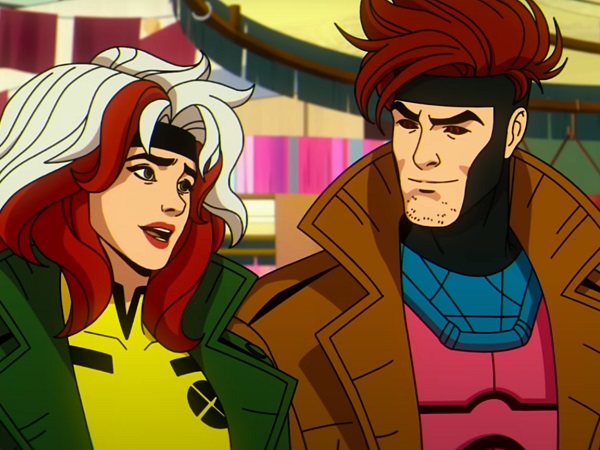
Rogue plays a significant role in ‘Bright Eyes’, and it becomes clear the X-Men have reached a turning point. Meanwhile, the series continues to go from strength-to-strength.
Tolerance is Extinction: Part One, Part Two, and Part Three
From episode eight onward, X-Men ‘97 enters its endgame with the three-part story, ‘Tolerance is Extinction’. Episode eight is effectively the beginning of the end, with the X-Men on the precipice of a potential all-out war between mutants and humans.
Episode nine continues the story and pits the X-Men against a former foe. This episode also ends on a monumental cliffhanger, taking inspiration from an iconic moment in the X-Men comics.
The cliffhanger is a jaw-dropping scene, whether you know it is coming or not. Long term comic book readers will spot it heading down the tracks, but still won’t believe X-Men ‘97 is actually going there!
Meanwhile, episode ten provides an epic conclusion to the three-part story, as well as a conclusion to the season as a whole. X-Men ’97 ends on a high, with drama and excitement cranked up to eleven, as well as plenty of threads for a second season to tug at.
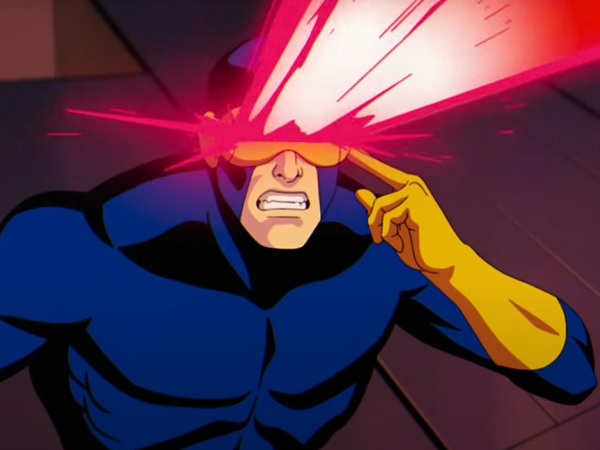
When it was announced the X-Men would be returning to animation, and the new series would be a direct continuation of X-Men: The Animated Series, no one could have predicted just how good this series could be. Fans (myself included) hoped for the best, but you never know how these things are going to pan out.
But boy, oh boy, has X-Men ‘97 certainly panned out. It’s more than just a continuation of X-Men: The Animated Series, it’s a whole new show in its own right, which has moved with the times.
Back when the original show aired, the good guys and bad guys were easily defined – Professor Xavier was right and Magneto was wrong. But the world has changed since the ‘90s, the line between hero and villain has blurred considerably, and now things are less clear.
Is Xavier’s dream of a peaceful coexistence still achievable or has Magneto been right all along? There are arguments to be had on both sides, as the two opposing mutants draw lines in the sand, and even those who are staunchly in Xavier’s camp may find themselves questioning their own views.
And this is just one of the many great things about X-Men ‘97 – it is a series which understands the central arguments, and rewrites them for a modern audience. An audience who is older and more experienced, and who are now beginning to question Xavier’s dream.

Another plus point for X-Men ‘97 is the way the show re-embraces the team as a whole, rather than just one specific character getting all the action, things are more evenly spread. Over the past 20+ years, thanks in large part to the live-action movie series, Wolverine has become the poster boy for the X-Men and essentially the go-to mutant, but the show refuses to go down this road.
Instead Rogue, Storm, Jean Grey, Cyclops, and Magneto are all brought to the forefront, while Gambit gets one of the season’s biggest moments, and both Jubilee and Morph level up. Meanwhile, Bishop, Cable, and Nightcrawler are thrown into the mix, and Roberto Da Costa (aka Sunspot) is given a bit of screen time as the team’s newest addition.
As with X-Men: The Animated Series, X-Men ‘97 shares the wealth when it comes to screen time. Many of the show’s characters get a good bite of the cherry, as well as the opportunity to show off their unique abilities, and this ensures this is a fully rounded show.
Those who are only familiar with the X-Men from the movies are shown there is more to the mutants than what has been served up on the big screen for two decades. In X-Men ‘97, Storm is essentially a goddess, Rogue is mightier than the Hulk, and other heroes and villains demonstrate their worth in equal measure.
The emphasis is very much on taking the comic book characters and comic book storylines, and bringing them to life as respectfully as possible. Yes, there are tweaks and adjustments along the way, but the essence of the X-Men is maintained, and the entire show is about the group as a whole.
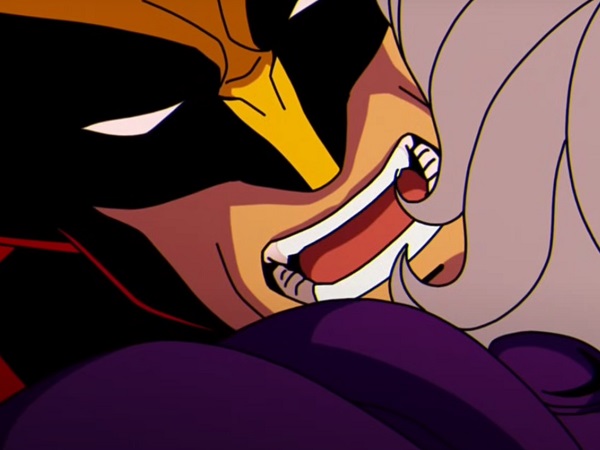
Across the entire ten-episode season, X-Men ‘97 takes what worked best in X-Men: The Animated Series (strong story telling, great characterisation, etc), then finds new ways to crank things up a notch (action, cameos, dialogue, etc). It reminds the audience why they loved the original show and the characters the first time around, and demonstrates time-and-time again there is a still a wealth of untapped potential to explore moving forward.
The X-Men have been around since 1963, and over the past few decades have been the subject of various cartoons and live-action movies. After all this time you would think their stories would have all played out, but as X-Men ‘97 proves, that’s simply not the case.
The show is a love-letter to what has come before, and an absolute thrill-ride for fans. It is easily one of Marvel’s best projects, and if you still haven’t checked it out, now is the time to give it a whirl.
As someone who ADORED X-Men: The Animated Series while growing up, I couldn’t be happier about X-Men ’97. It takes me back to the happy Saturday mornings of my youth when I used to follow along with the original show, while at the same time gives me more stories and adventures to enjoy through this new iteration.
To see what all the fuss is about, head on over to Disney+. All ten episodes of X-Men ’97: Season One are now streaming.
—

—
Thank you for taking the time to read this review of X-Men ’97 on It’s A Stampede! – I hope it has proved useful. For more useful posts, be sure to check out the recommended reads below.
 It's A Stampede!
Leave a comment