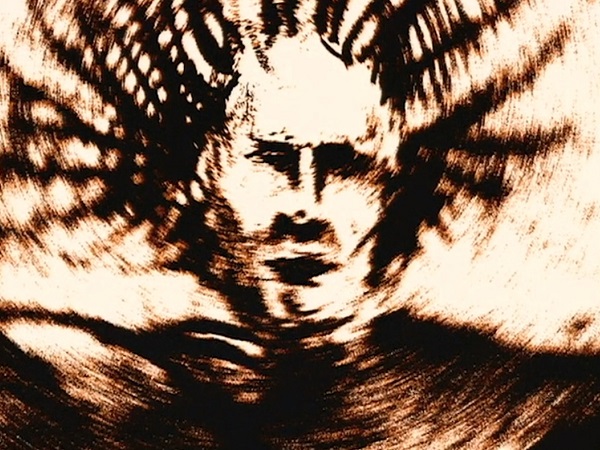
On July 14th 1999, The Blair Witch Project debuted in US cinemas. The supernatural horror movie, written, directed, and edited by Daniel Myrick and Eduardo Sánchez, told the story of three student filmmakers who disappear in the woods while making a documentary about a local myth known as the Blair Witch.
The unique selling point of the film was its faux reality: It was a work of fiction, positioned as real. Audiences were led to believe the film contained authentic ‘found footage’ of the central trio, which was supposedly salvaged sometime after their disappearance, and that all of the events in the movie really happened.
For the record, they didn’t. But back in 1999 many people bought into the story, believed the film was based on real-life events, and went to see the film in their droves.
As a result, The Blair Witch Project was a huge hit upon release and it made over $248 million at the box office. A large part of the movie’s success was due to an online viral marketing campaign, which hyped up the film and sold movie-goers on the ‘reality’ of the story.
But it wasn’t just online marketing working its magic, the ‘faux’ horror movie was also accompanied by an equally ‘faux’ direct-to-TV docu-film. Directed and co-written by Myrick and Sánchez (along with co-writer Ben Rock), the documentary was titled Curse of the Blair, and it became an equally important tool in selling the mystery behind the Blair Witch.
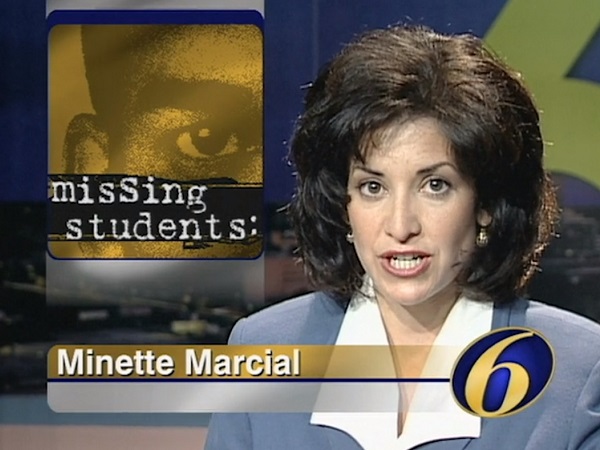
Broadcast on The Sci-Fi Channel on July 12th 1999, two days before The Blair Witch Project went on general release, Curse of the Blair Witch offered a 45-minute deep dive into the mystery surrounding the titular witch, as well as the lives of Heather Donahue, Michael Williams, and Joshua Leonard – the three protagonists who go missing in the film. Billed as ‘the uncensored investigation that takes over where the project left off’, the documentary looks at the background of these three key players, to explore their personalities and character traits, while at the same time fleshes out details about witchcraft and folklore.
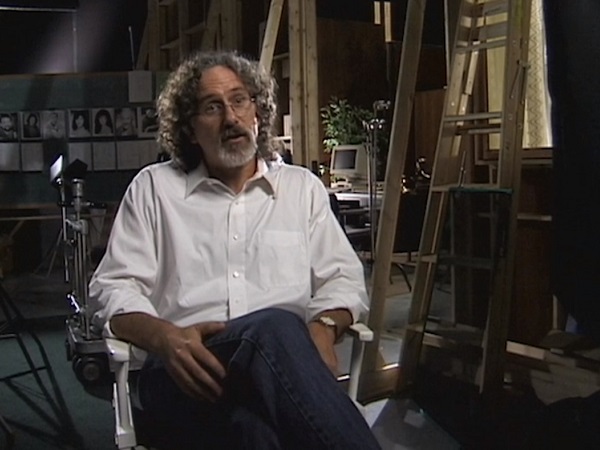
Curse of the Blair Witch features a few snippets lifted directly from The Blair Witch Project, but mostly focuses on all-new input. Various friends, work colleagues, and family members of Heather, Michael, and Joshua appear in the documentary, along with authority figures (a police officer, a historian, a news reporter, etc) to offer insights into the case.
But here’s the real kicker – all of it is fake. Every single person who appears in Curse of the Blair Witchis an actor.
The family members and friends who pop up in the docu-film to talk about Heather and Co. are all making it up. Same goes for the police officer and the TV news reporter who comment on their disappearance.
From start to finish, Curse of the Blair Witch is one big lie – none of it is real. The documentary looks and acts exactly like a real-life discussion, but it is all make-believe, scripted and edited specifically to add further credence to The Blair Witch Project.
Does it work? You bet!
If you watched Curse of the Blair Witch on July 12th 1999, ahead of a screening of The Blair Witch Project, you would go into the cinema under the belief the film was real. Likewise, if you saw the film, and then caught a re-run of the documentary on The Sci-Fi Channel a few days later, you’d be convinced the whole thing was true.
Curse of the Blair Witch is so well constructed, it is difficult to question its authenticity. In ‘99, it existed purely to help fabricate the lies surrounding The Blair Witch Project, and 25 years later it still stands up.
The reason Curse of the Blair Witch works is because it remains committed to the lie throughout. It doesn’t wink to the audience once, or give the game away, it remains steadfast at all times.
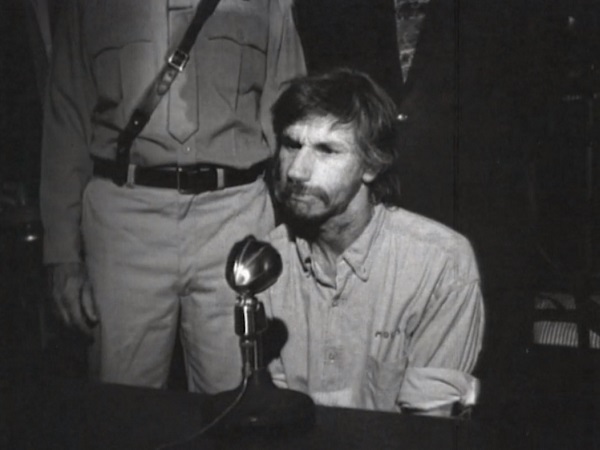
Curse of the Blair Witch also makes important connections to The Blair Witch Project to enhance and cement elements of the story. For example, the documentary includes black-and-white newsreel of Rustin Parr – a key figure in the Blair Witch lore.
In The Blair Witch Project, Parr is described as a child killer who has a connection to the titular witch, but he doesn’t appear in the film. On the flipside, Curse of the Blair Witch finds the time and space to put him on screen, to make him appear to be a real person.
At every step of the way, Curse of the Blair Witch finds ways to help embellish the Blair Witch story. As such, it makes for a great companion piece and an important component of the grand illusion.
Since the release of The Blair Witch Project there have been two feature-length sequels: Book of Shadows: Blair Witch 2 (2000), and Blair Witch (2016). Neither were particularly good, and neither managed to tap into the magic which made the original film so special.
Curse of the Blair Witch bucks this trend and to date is the only piece of additional media worth bothering with. Sure, it might be a largely forgotten little docu-film, which few recall, but it’s also a real gem.
The reason it worked back in ‘99 and still works today is because it plays by exactly the same rules as the main feature. It believes in the story it is conveying, it tells a very convincing lie, and it embeds itself so deeply into the lore and mythology of The Blair Witch Project it’s difficult not to be won over by it.
This year, many horror fans (myself included) will be revisiting The Blair Witch Project to mark its 25th anniversary. I hope many of those same fans will also be finding time to include Curse of the Blair Witchin their viewing plans because it deserves a revisit, as well as a bit of recognition for all the hard work it put in all those years ago.
Should you wish to check out Curse of the Blair Witch for yourself, the faux docu-film is currently available to stream on Amazon Freevee in the UK. Alternatively, Curse of the Blair Witch can be found amongst the special features on the DVD and Blu-ray release of The Blair Witch Project.
—

—
Thank you for taking the time to read this review on It’s A Stampede!. For more reviews, check out the recommended reads below.
 It's A Stampede!
Leave a comment