
If you’ve been reading this blog over the past few weeks you’ll know I’m a big fan of X-Men ‘97. The cartoon show – a continuation of X-Men: The Animated Series – is a huge hit in my household (as well as the household of millions around the world), and I’ve been following along each week.
So far I’ve taken a look at Episodes One, Two, and Three of X-Men ‘97, as well as Issue #1 of the X-Men ‘97 tie-in comic, to discuss and highlight the various references and in-jokes which appear in the show and the comic. Today I am turning my attention to Episode Four of X-Men ‘97, to do the same.
This fourth instalment of the show is titled ‘Motendo/Lifedeath: Part One’. As with the previous episodes, ‘Motendo/Lifedeath: Part One’ is available to stream on Disney+, so if you’ve already watched the episode, here is what you might have missed.
__
The ever changing credits
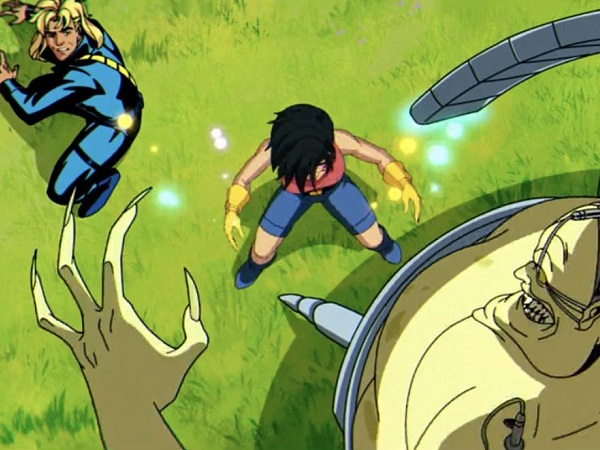
First up, four episodes in and one of the most consistent aspects of the show is the ever-changing opening credits to X-Men ’97, which this time have three new scenes.
The first of these scenes sees Jubilee and Longshot face-to-face with the alien, Mojo. This scene is a nod to the X-Men: The Animated Series episode, ‘Longshot’.
__
X-change
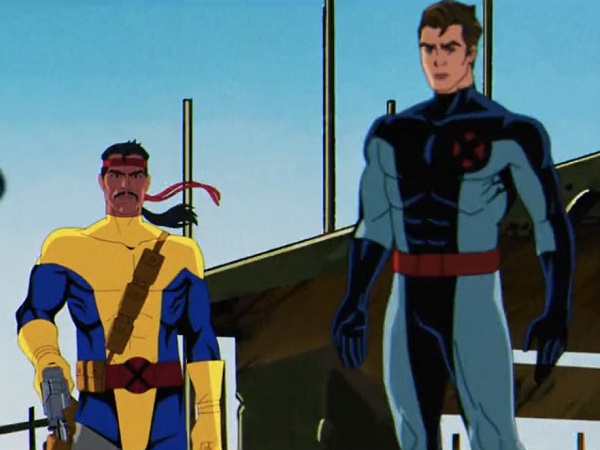
The second new credit scene inserted into the opening titles features Forge, Polaris, Iceman, and Havok. This scene is a nod to the X-Men: The Animated Series episode ‘Cold Comfort’, which introduced Iceman and X-Factor to the show.
__
Hellish
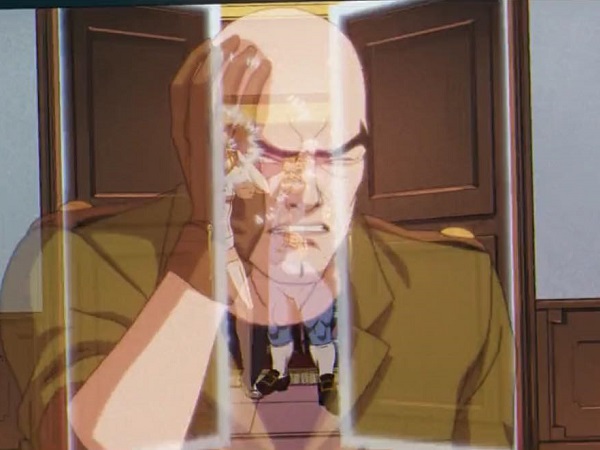
The third and final new credit scene features Professor Xavier, Emma Frost and the Hellfire Club. This scene is in reference to the iconic X-Men: The Animated Series storyline, The Dark Phoenix Saga, specifically the episode ‘The Inner Circle’, which saw members of the Hellfire Club attempt to manipulate Jean Grey.
__
Out of time
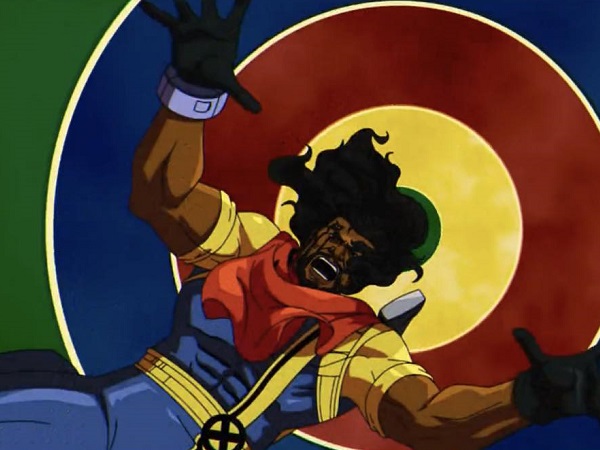
In addition to the three new scenes added to the opening credits, Bishop’s character credit has been removed from this week’s episode. Bishop is still referenced in the opening titles, but he no longer has an onscreen text credit.
Bishop’s text credit has been removed because he is not currently a serving member of the X-Men. The time-travelling mutant returned to his own time period following the events of Episode Three: ‘Fire Made Flesh’, so for the moment he’s not part of the line-up.
__
Game on

As the episode opens, the title of the episode appears, which this time around is called ‘Motendo/Lifedeath: Part One’. This title may seem a little confusing but this is because Episode Four is split into two parts: ‘Motendo’ and ‘Lifedeath: Part One’.
‘Motendo’ is an abbreviation of the words Mojo (the villain of this episode) and Nintendo (the gaming company). The episode sees Mojo force Jubilee and Roberto da Costa to take part in a real-life video game, which is why the words Mojo and Nintendo have been merged to form the title.
As for ‘Lifedeath: Part One’, this is in reference to a classic X-Men comic book storyline which features Storm and Forge. This storyline is connected to Storm’s loss of powers, which is an ongoing thread through this season, and is titled ‘Part One’ because a second chapter (‘Lifedeath: Part Two’) will continue the story in Episode Six.
__
Longshot
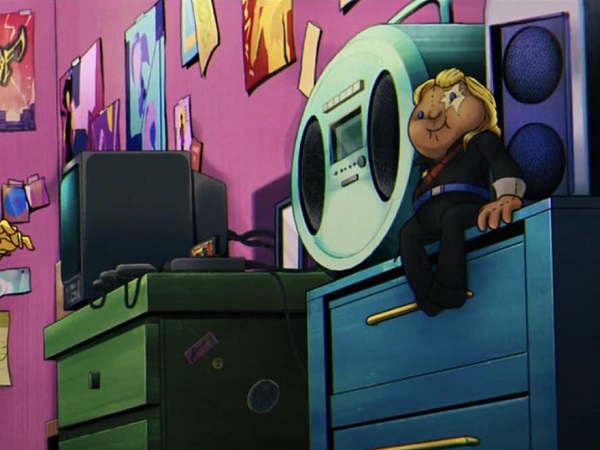
And now for a quick observation.
As the story gets underway, Jubilee and Roberto are in Jubilee’s bedroom discussing her 18th birthday. In a blink-and-you’ll-miss-it moment, a stuffed plushie of Longshot can be seen in Jubilee’s room.
__
Gamer for life
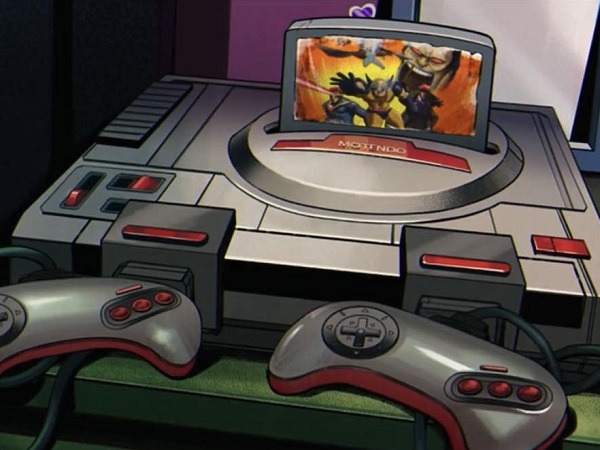
Immediately after the Longshot cameo, the camera pans to a Motendo games console, which looks very much like an old Sega MegaDrive/Genesis. The console contains an X-Men-related gaming cartridge.
The cartridge is a nod to the 16-bit-era of X-Men games, which included X-Men, X-Men II: Clone Wars, and X-Men: Mutant Apocalypse, amongst others.
__
You rang?
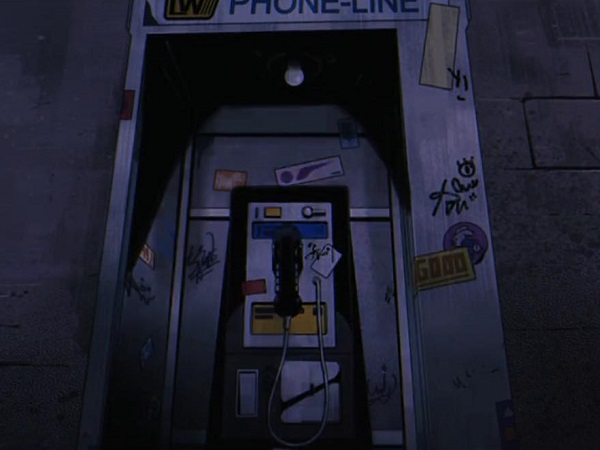
After discovering the mysterious console, Jubilee and Roberto decide to play the game. Almost immediately they are transported from Jubilee’s bedroom into the gaming world, where they are attacked by Sentinels.
After evading the Sentinels, they hear a phone ringing in a nearby phone booth. They head towards the phone booth, pick up the phone receiver, and are transported to another part of the game.
This short scene makes reference to the 1999 sci-fi movie, The Matrix, which utilised telephones to transport characters in and out of the Matrix.
__
Blast from the past

After Jubilee and Roberto are transported via the phone line, they arrive in Genosha which looks very familiar to Jubilee. This whole scene is a direct reference to the X-Men: The Animated Series episode, ‘Slave Island’, which saw Jubilee, Gambit, and Storm held captive on the island of Genosha.
This flashback sequence includes the appearance of mutants including Warpath, Blob, Sunfire, and Domino.
__
Another blast from the past
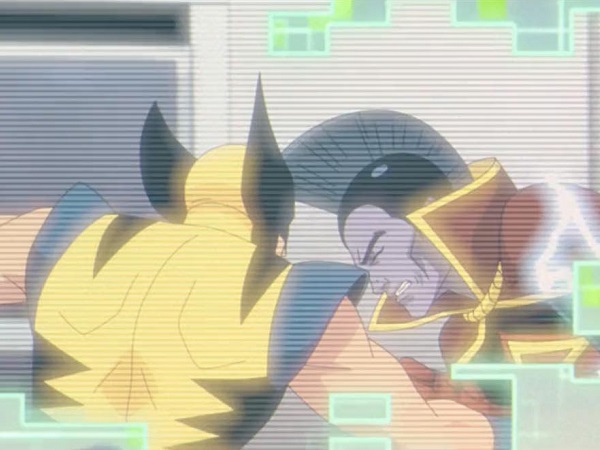
Once Jubilee and Roberto realise they are in a video game, Mojo appears on screen and starts a conversation with the trapped mutants. During this conversation, Mojo plays footage of a previous interaction with the X-Men, which is a reference to the X-Men: The Animated Series episode, ‘Mojovision’ in which the X-Men met Mojo for the first time.
__
Power up
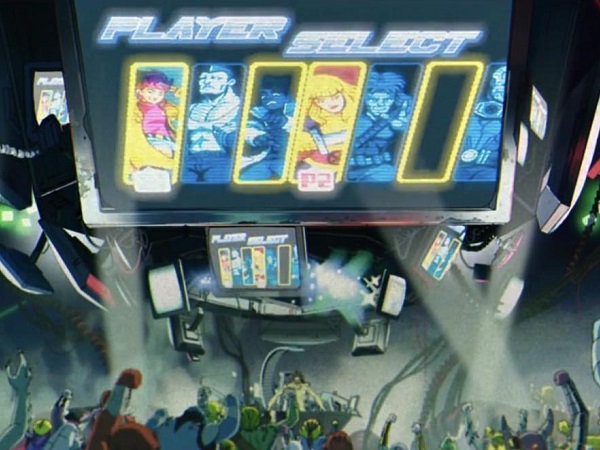
Once Mojo has finished his introductions and setting up the general premise for this episode, he puts Jubilee and Roberto into a game titled X-Men: Rise of Jubilee. The game is based around the classic 1992 X-Men arcade game, which was a big hit in arcades during the early ‘90s.
The X-Men arcade game allowed players to control one of six X-Men characters, including Cyclops, Wolverine, Storm, Nightcrawler, Colossus, and Dazzler. In Mojo’s version of the game the six selectable characters include Jubilee, Roberto, Colossus, Magik, Longshot, and Cable.
__
Games of Future Past
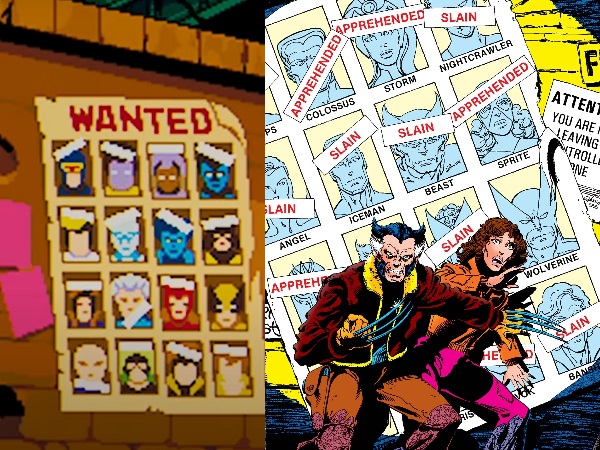
A quick observation: As Jubilee and Roberto are transported into X-Men: Rise of Jubilee, they appear in a dystopian scene. In the background of the scene is a poster featuring various mutants.
This poster is a reference to the Days of Future Past storyline from the comics, and more specifically the cover of Uncanny X-Men issue #141 from 1980.
__
Don’t quote me
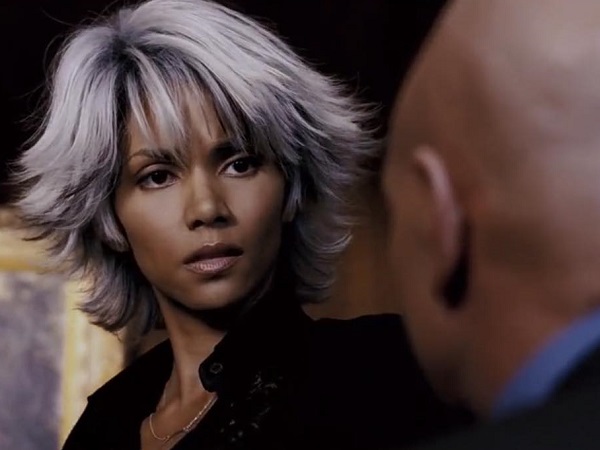
Moving into the second half of the episode now, and the focus switches away from Jubilee and onto the Forge/Storm storyline, ‘Lifedeath: Part One’. During an early sequence in this story, Forge and Storm embark on a horse ride.
At the end of the horse ride, Forge and Storm share a conversation, which concludes with Forge commenting to Storm: “You more than anyone know how fast the weather can change.” This line is a slight variation on a line of dialogue used in an exchange between Professor Xavier and Storm in the live-action movie, X-Men: The Last Stand (2006).
__
Observation station
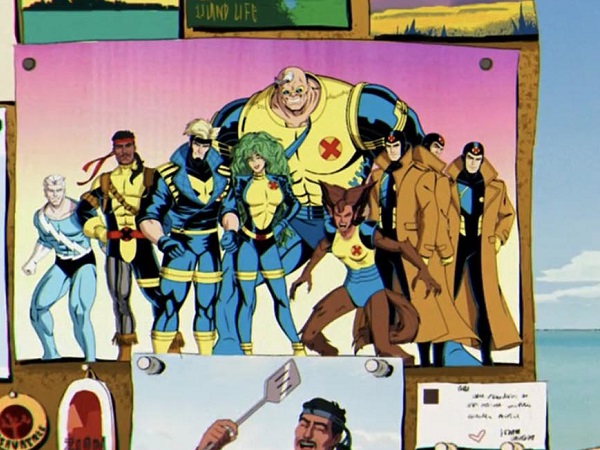
Another couple of observations now.
As Storm and Forge return to Forge’s cabin and into his basement, the camera pans around the room where a few photos can be seen pinned to the wall. One of these photos features X-Factor members Quicksilver, Forge, Havok, Polaris, Strong Guy, Wolfsbane, and Multiple Man.
__
Dark connections
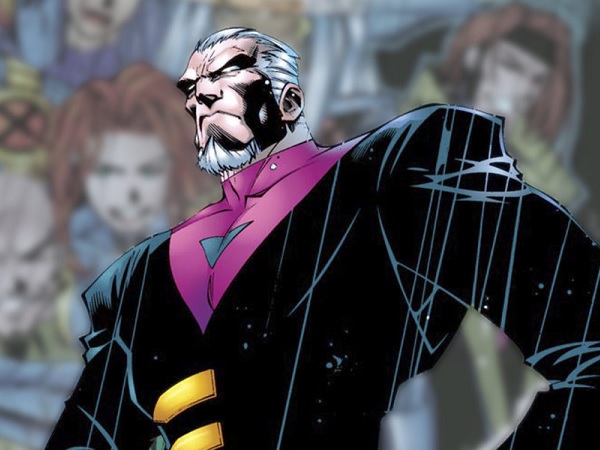
Onto observation No. 2 and another, more obscured photo can be seen (if you look hard enough). This photo includes Forge stood alongside Dr. Gottfried Adler, who is a scientist who appeared in the X-Men: The Animated Series episode ‘The Cure’.
Both men are also stood next to the villainous Bastion, who appeared in the comic book storyline, Operation: Zero Tolerance. This was a storyline in which Bastion and the mutant-hating Henry Peter Gyrich attempt to wipe out mutants in the US.
__
Enter: The Adversary
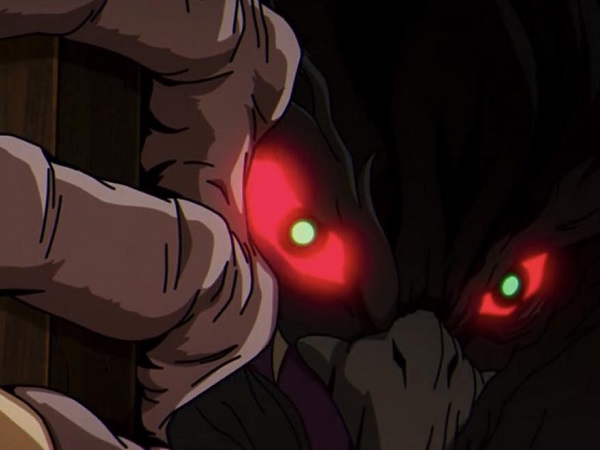
And finally, as the episode draws to a close, Storm and Forge are attacked by a mysterious new villain. This villain – who did not previously appear in X-Men: The Animated Series – is the mystical entity known as The Adversary.
__

__
Thank you for taking the time to read this post about X-Men ’97 on It’s A Stampede! – I hope it has proved useful. For more useful posts, be sure to check out the recommended reads below.
 It's A Stampede!
Leave a comment