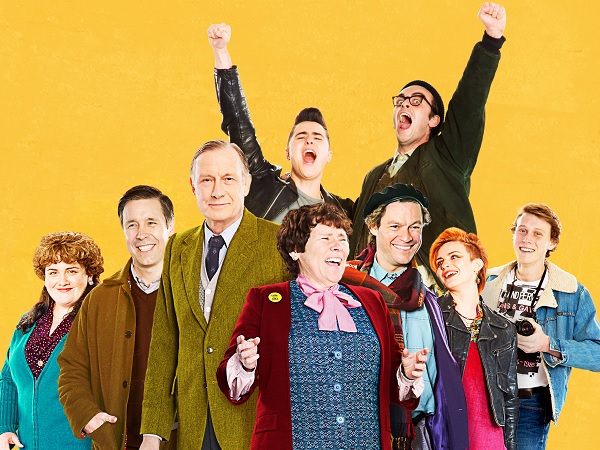
The year is 1984, and in the UK out gay man and activist, Mark Ashton catches a news report on television about the ongoing strike action amongst the mining community. The strikes are being opposed by the UK Government, led by Prime Minister Margaret Thatcher, and Mark has spotted a connection with himself and the miners.
Realising the police and the Government have stopped harassing the LGBTQ+ community because their attention is focused elsewhere, Mark decides it is time to show some solidarity with the miners. He organises a collection, to raise funds for the cause, before setting up the group LGSM (Lesbians and Gays Support the Miners), to continue raising funds throughout the duration of the strikes.
After collecting together some money, Mark attempts to make contact with the National Union of Mineworkers, but encounters opposition when it becomes clear they do not wish to be associated with the queer community. Undeterred, Mark and the founding members of LGSM change tactics, by going direct to the people who are impacted by the strikes.
Choosing a small mining village in Wales, LGSM meet with a spokesperson for the village, who in turn invites them to come and meet the locals. What follows is a meeting between two unlikely groups of people, who may have more in common than it first appears.
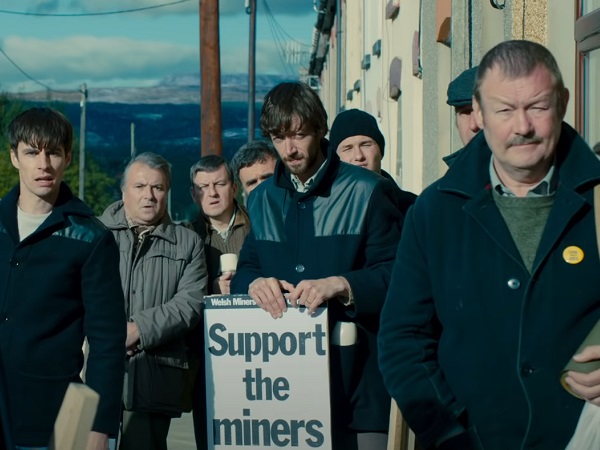
Directed by Matthew Warchus, written by Stephen Beresford, and based on a true story, Pride is a British historical comedy-drama, starring Ben Schnetzer, Joseph Gilgun, George MacKay, Dominic West, Andrew Scott, Imelda Staunton, Bill Nighy, and Paddy Considine. The movie was originally released in 2014, but has been re-released this month to coincide with Pride Month, and will be popping up at select Vue cinemas this weekend, beginning Friday 23rd June.
If you’ve never experienced Pride before, then I urge you to seek out a screening and to book a ticket. You can be straight, gay, bi, closed-minded, open minded, or anything in between – either way, the film will entertain, inform, and delight, and will no doubt leave you shedding many a tear of joy.
Pride is an uplifting, inspirational, and touching piece of cinema. It is a story about real people, demonstrating togetherness and solidarity, all set to the back drop of some pretty tough times (strikes, poverty, the AIDS crisis, etc), where people were being stepped on, victimised, or magnialised.
Sound familiar? It should do.
Despite Pride being set in the mid-1980s, the film coming out in 2014, and it now being the year 2023, things are still pretty tough out there. Money is too tight to mention, the LGBTQ+ community is battling a rise in homophobia, strikes are a daily occurrence, and the UK Government are not working in the interests of everyday folk.
The themes and story beats depicted in Pride may reflect what was going on during the ’80s, but there is a significant throughline to where we are today. Some positive changes have taken place over the past 30-40 years, but at present we do appear to be circling backwards.
Pride is a strong reminder of what was, what we’ve overcome, and what will hopefully never be again. It is also an extremely positive picture, which demonstrates that real change comes from rejecting division and working towards common goals.
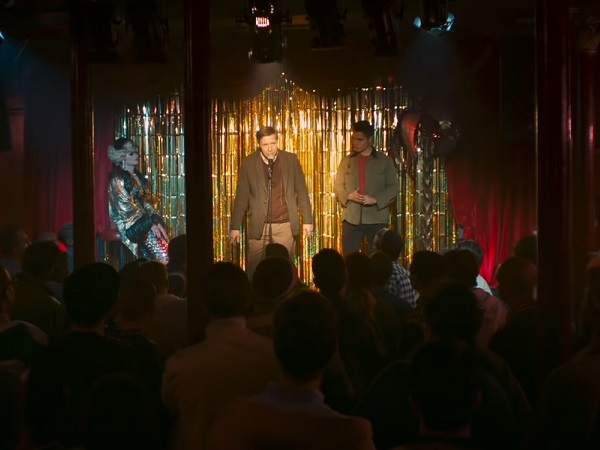
The movie centres around two groups of people: The LGBTQ+ folk who make up LGSM, and the residents of a Welsh mining village who are facing a bleak future. Both groups understand hardship, both have faced opposition from the Government and the police, and both know what it is like to be on the outside looking in.
While the two groups move in different circles, they both share the same values. The film places this at the heart of the story, while building the narrative around it.
And it is a narrative which finds enough time to not only tell a story about the strike action, but also to highlight a number of personal struggles too. Pride looks at the big picture with is main arc, but also zeroes in on the daily conflicts experienced by key characters.
There is a coming-out-story, a discussion about the AIDS virus, and plenty of time spent on acceptance. Homophobic violence is also covered, as is the violence and discrimination seen on the picket line, and all of it is masterfully weaved together to create one very strong, very cohesive story.
Pride is a masterpiece in storytelling. There is a lot to cover in the film, from the tale being told at the forefront, to the historical context that makes up the backdrop, yet nothing is rushed or misjudged, and all of the characters feel like real, living, breathing people.
There is a sense that everyone involved in this picture, from the director and the writer, through to the cast and crew, are all pulling together to ensure this story is told in the most effective way. Not only does it relay a key event in the history of the LGBTQ+ community, it also shines a light on the difficulties faced by the miners, while conveying an important message.
Oh, and it does all this with humour, heart, and a ruddy good soundtrack. Sure, Pride will have its audience in tears, but it also produces lots of laughs, and plenty of opportunities for some toe tappin’ tunes.
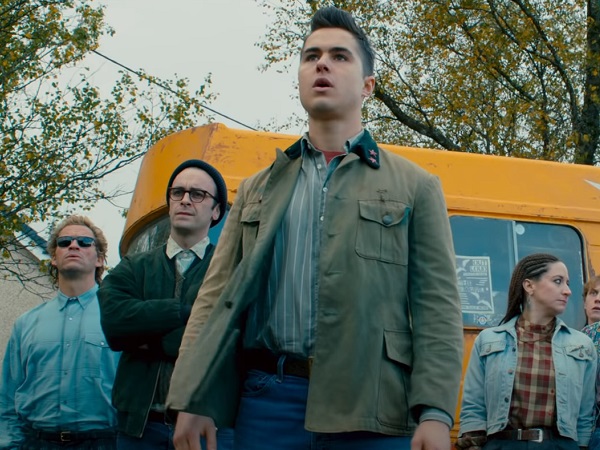
The world is in a bit of a mess at the moment, online hate is being peddled by morons who are using it to generate ‘clicks’ (and money), and our leaders appear to be out for themselves. Over here in the UK, we have suffered from a succession of useless officials, including multiple embarrassing Prime Ministers, who have overseen some terrible decisions and policies that have made us poorer.
Things will get better, of that I am sure, but for now we are having to put up with the bumpy riding, and worsening conditions. The important thing is not to lose sight of who we are, what we value the most, and our connection to each other.
Pride is a fantastic reminder of all this, all neatly wrapped up in an emotionally charged, thoroughly marvellous piece of entertainment. We Brits make some excellent movies, even if we do make some daft decisions, and Pride is easily one of our best films.
As noted above, you can catch Pride in select cinemas, including some Vue cinemas for VERY limited screenings beginning this Friday. For those who can’t make it to a screening, Pride is also widely available on DVD, Blu-ray, and digital-on-demand services.
__
Thank you for taking the time to read this review on It’s A Stampede!. For more reviews, check out the recommended reads below.
 It's A Stampede!
Leave a comment