
Last week, music lovers all over the world came together to mourn the passing of rock icon, Tina Turner. The singer died at the age of 83, leaving behind a long-lasting legacy of tunes, performances, and memories that will never fade away.
Over the decades working in the industry, Tina Turner built up a strong back catalogue of tracks, attracted millions of fans, and became known for her distinctive voice and stage presence. She may have started her career as a member of the Kings of Rhythm, before duetting with ex-husband Ike Turner, but it was her solo career which truly made her a global icon.
Those who know Tina Turner’s journey, will tell you about her difficult backstory, including her much publicised abusive marriage to Ike Turner. It was a story which Tina would initially tell through her autobiography I, Tina: My Life Story (co-written with former MTV news correspondent, Kurt Loder), but many will know what happened because of the movie, What’s Love Got To Do With It.
This year, What’s Love Got To Do With It celebrates its 30th anniversary. The movie premiered in Los Angeles on June 6th 1993, and all these years on it remains one of the most compelling music bio-pics of all-time.
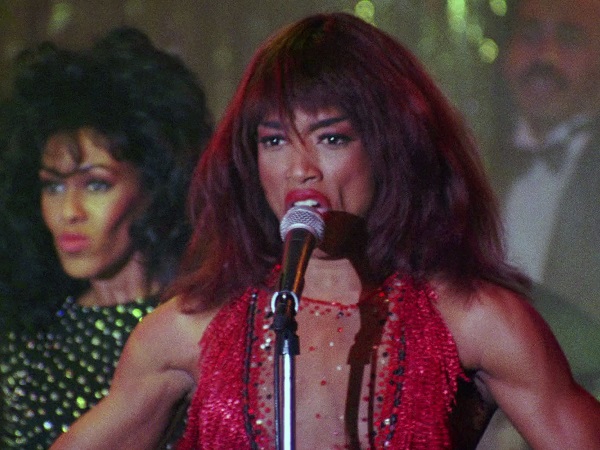
Directed by Brian Gibson, What’s Love Got To Do With It stars Angela Bassett and Laurence Fishburne. The film charts the life of Tina Turner, starting from her childhood in Nutbush, Tennessee during the early 1950s, through to her solo success in the 1980s.
The film begins with Tina under her original name, Anna Mae Bullock, where it touches upon her difficult relationship with her mother, before depicting her initial meeting with musician Ike Turner. From here, the movie charts Ike and Tina’s early courtship, their marriage, and the rise of their professional career as a double act.
As the story unfolds, What’s Love Got To Do With It then opens up the dark side of their home life. The movie includes graphic depictions of the domestic abuse Tina suffered at the hands of Ike, with a focus on the mental and physical torture she endured throughout their marriage.
At times the picture goes to some very bleak and disturbing places, to demonstrate the trauma Tina suffered. While her stage career may have seemed healthy, her home life was far from it, and the film looks at what horrors were present behind closed doors.
However, the film also depicts Tina’s resilience and her internal fire, as well as her ultimate triumph. While the movie shows the depths that Tina was pushed down to by Ike, it also features her fight to the top and beyond, as she breaks free of her marriage and forges her own path forward.
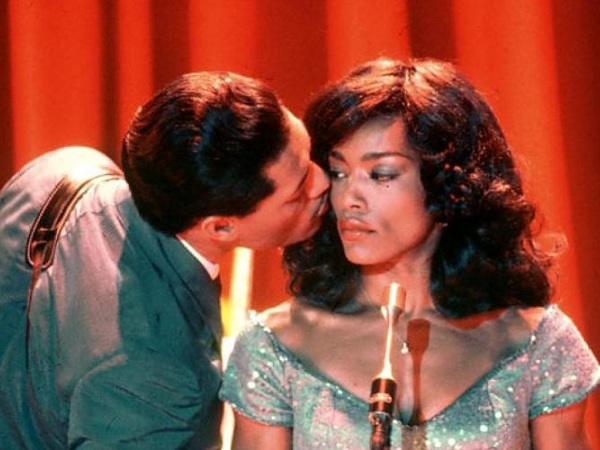
Headlining the movie is Angela Bassett as Tina, who gives one of her greatest performances. Back in ‘93, this was a breakthrough role for Bassett, which caught the attention of audiences around the world and led to a Golden Globe Award and a nomination for Best Actress at the Academy Awards.
And while Bassett didn’t win the Academy Award (she lost out to Holly Hunter for her performance in The Piano), the nomination was confirmation of just how powerful she is in the film. Throughout What’s Love Got To Do With It, Bassett is never less than perfect, portraying Tina as a relatable person, placed in a toxic relationship, and this is a mesmerising performance.
Her physical transformation is incredible, with her stance, her facial mannerisms, and even her muscular body all capturing characteristics of the real Tina Turner. But it’s her line delivery, as well as her vulnerability and grit that make this a scene-stealing turn, which few other actors could pull off.
Bassett doesn’t just play Tina Turner, she becomes Tina Turner. She works with director Brian Gibson, writer Kate Lanier, and co-star Laurence Fishburne to deliver a truly remarkable performance.
And speaking of Fishburne, he also excels in the role of Ike. Fishburne has to descend into some dreadful places to depict the musician, and yet even when things are getting dark, he never holds back.
What’s Love Got To Do With It might be Bassett’s movie, but Fishburne is integral to its success. He brings an unpredictable, fearsome presence to the film, and ensures the interplay with Bassett is compelling.
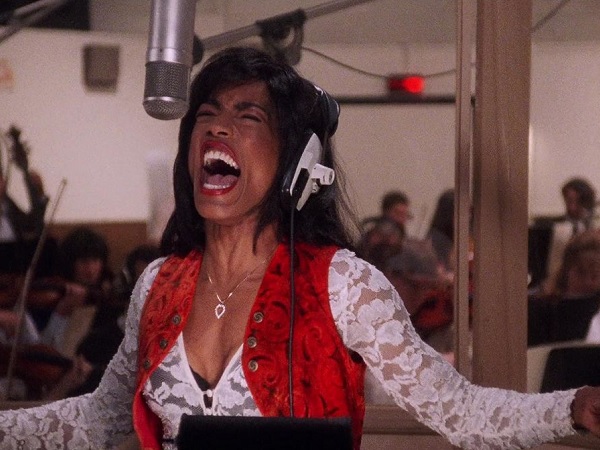
Outside of the lead performances, what makes What’s Love Got To Do With It so strong, is the writing and direction. The film is structured in a way that keeps audiences connected with the material out of curiosity, concern, astonishment, and anger, and never stumbles.
It is important to remember this is a film based on appalling real-life events, so I don’t want to sensationalise the drama, but the way in which Gibson and Lanier unravel the story is key. The first hour of the movie plays with an undercurrent of mental abuse and gaslighting, before moving to physical violence during the second half, and this allows the narrative to build up tension.
The director and writer work together to ensure Tina Turner’s story is told as concisely and effectively as possible. There are alterations to the real story, and some historical inaccuracies to convey the drama, but everyone involved works hard to deliver the essence of Tina Tuner’s fight for survival.

Even though What’s Love Got To Do With It is now 30 years old, the film has lost none of its power. The picture continues to tell an eye-opening story, which will remain an important part of Tina Turner’s legacy, while bringing the horror of domestic abuse into the light.
If you’ve somehow let the film pass you by, it’s never too late to take a look. The movie fills in key details about Tina Turner’s past, allowing audiences to understand her journey, before moving on to celebrate her music.
Should you wish to give it a watch, What’s Love Got To Do With It is currently streaming on Disney+. The movie is also available to buy or rent through all major digital video-on-demand platforms.
__
Thank you for taking the time to read this review on It’s A Stampede!. For more reviews, check out the recommended reads below.
 It's A Stampede!
Leave a comment